A Natural, Lightweight Stone You Can Create at Home
Hypertufa is a special handmade material inspired by natural stone. Gardeners love it because it looks rustic, feels organic, and stays surprisingly light. Many people discover it the first time they see a planter that looks like weathered rock, yet can be lifted with one hand.
But what exactly is hypertufa? Let’s take a simple look.
Let’s take a closer look.
A Material Inspired by Nature
Originally, gardeners used real tufa, a porous limestone rock. It was perfect for planting, because roots could breathe inside the stone. However, tufa became rare and expensive. As a result, people started creating a lighter and more accessible alternative: hypertufa.
Hypertufa is made from:
Portland cement
Organic fibers like peat moss or coconut coir
Light aggregates such as perlite, vermiculite, or sand
Together, they form a mix that dries into a stone-like material. It has the feel of something natural, but with the strength you need for planters.
Why Gardeners Love Hypertufa
Hypertufa has many advantages. First, the material is lightweight. Even a large planter remains easy to move, which is helpful when you care for plants indoors or outdoors.
Second, hypertufa is breathable. Its tiny pores help air and moisture circulate around the roots, which supports healthier growth. Because of this, many succulents and alpine plants thrive in it.
In addition, hypertufa is weather-resistant. When cured properly, it withstands rain, sun, and even freezing winters. Therefore, you can leave your planters outside all year long.
Finally, each piece is unique. The texture, the fibers, and even the way your hands press the material create patterns that cannot be repeated. This is one reason why artisans enjoy working with it so much.
🧱 How Hypertufa Is Made
Although every maker has their own approach, the basic process remains simple.
1. Mix the dry ingredients
Combine cement, fibers, and aggregates. Add water slowly. The mix should feel like cottage cheese — thick enough to hold its shape.
2. Fill your mold
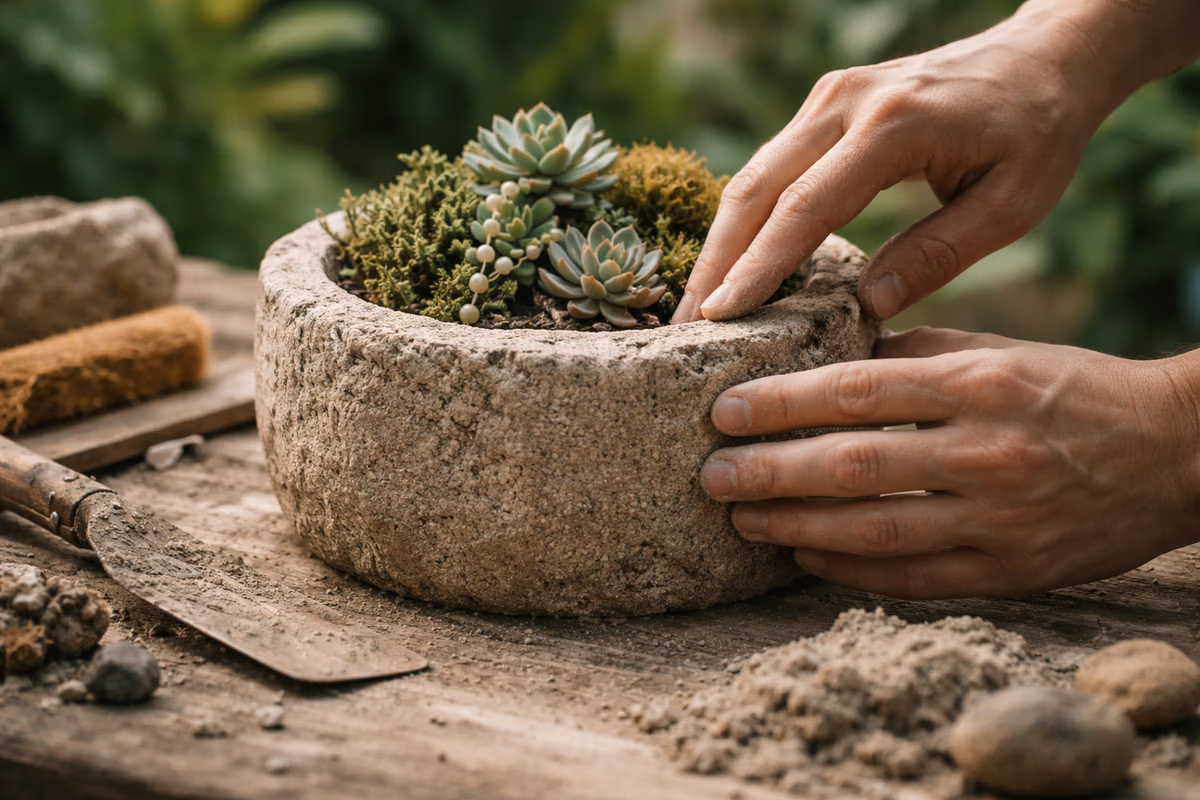
You can use plastic containers, bowls, boxes, or almost anything you have at home. Press the mix firmly so it keeps the right structure.
3. Let it set
Hypertufa needs time. After shaping the piece, let it rest so the material becomes strong enough to handle.
4. Remove the mold and shape details
Some people carve or smooth the surface while the hypertufa is still soft. Others prefer to wait a little longer. Both methods work well.
5. Cure the piece
Curing is essential. A slow cure helps prevent cracks and gives hypertufa its durability. Once it has rested long enough, you can add soil and plants.
🎨 The Beauty of Texture
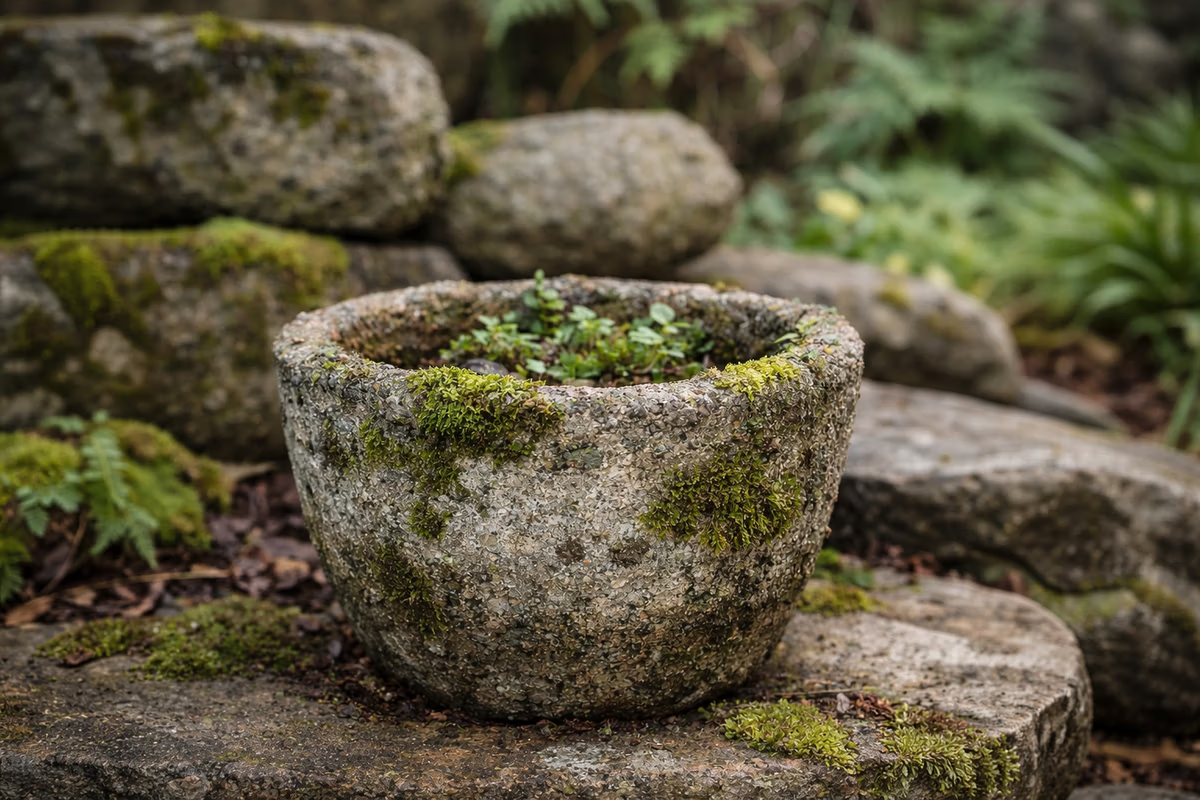
One of the best things about hypertufa is its texture. It captures small details: the lines from a mold, the pattern of your gloves, or the softness of the fibers inside the mix. This natural look adds charm to any garden or indoor space.
As time passes, hypertufa develops a gentle patina. Small color changes, moss, or tiny marks from the weather make it look even more authentic. This aging process is part of its beauty.
❄️ Can Hypertufa Survive Winter?
Yes, it can. In fact, hypertufa is known for its resistance to freezing temperatures. Its porous structure allows the material to expand and contract, which reduces the risk of cracks. For this reason, many gardeners leave their hypertufa outdoors throughout winter without worry.
🌍 An Eco-Friendly Choice
Hypertufa uses less cement than traditional concrete. It also replaces heavy stone with natural fibers and lightweight materials. If you choose coconut coir instead of peat moss, the mix becomes even more environmentally friendly. This makes hypertufa a smart choice for people who enjoy sustainable gardening.
🔨 Why I Chose Hypertufa
As an artisan, I wanted a material that felt alive. Hypertufa reacts to touch, to pressure, and even to the way you mix it. It invites patience. It rewards experimentation. And above all, it allows you to create something that feels connected to nature.
Each planter carries a small part of the process — the texture of the mix, the movement of the hands, the calm moment in the workshop when everything comes together. This is why hypertufa has become the heart of my work here at Végétalarium.
🌵 Final Thoughts
Hypertufa is more than a recipe. It’s a craft that blends earth, texture, and creativity. It offers strength without heaviness, beauty without uniformity, and a natural look that ages gracefully.
Whether you want to make your own or adopt a handmade piece, hypertufa is a material that inspires. Each planter becomes a small piece of nature you can bring into your home or garden.
Before learning the technique, here’s how I personally approach hypertufa — not as a recipe, but as a material shaped by time, texture, and restraint.
If you’d like to save this article for later, you can find it on Pinterest.