Fragment 3 — When Imperfection Became the Goal
I didn’t set out to make imperfect objects.
At first, I was doing what everyone does.
Following recipes.
Correcting edges.
Trying to make the surface behave.
Each adjustment felt like progress.
Each correction felt necessary.
But something was missing.
The more I tried to control the result,
the quieter the material became.
Imperfections appeared anyway.
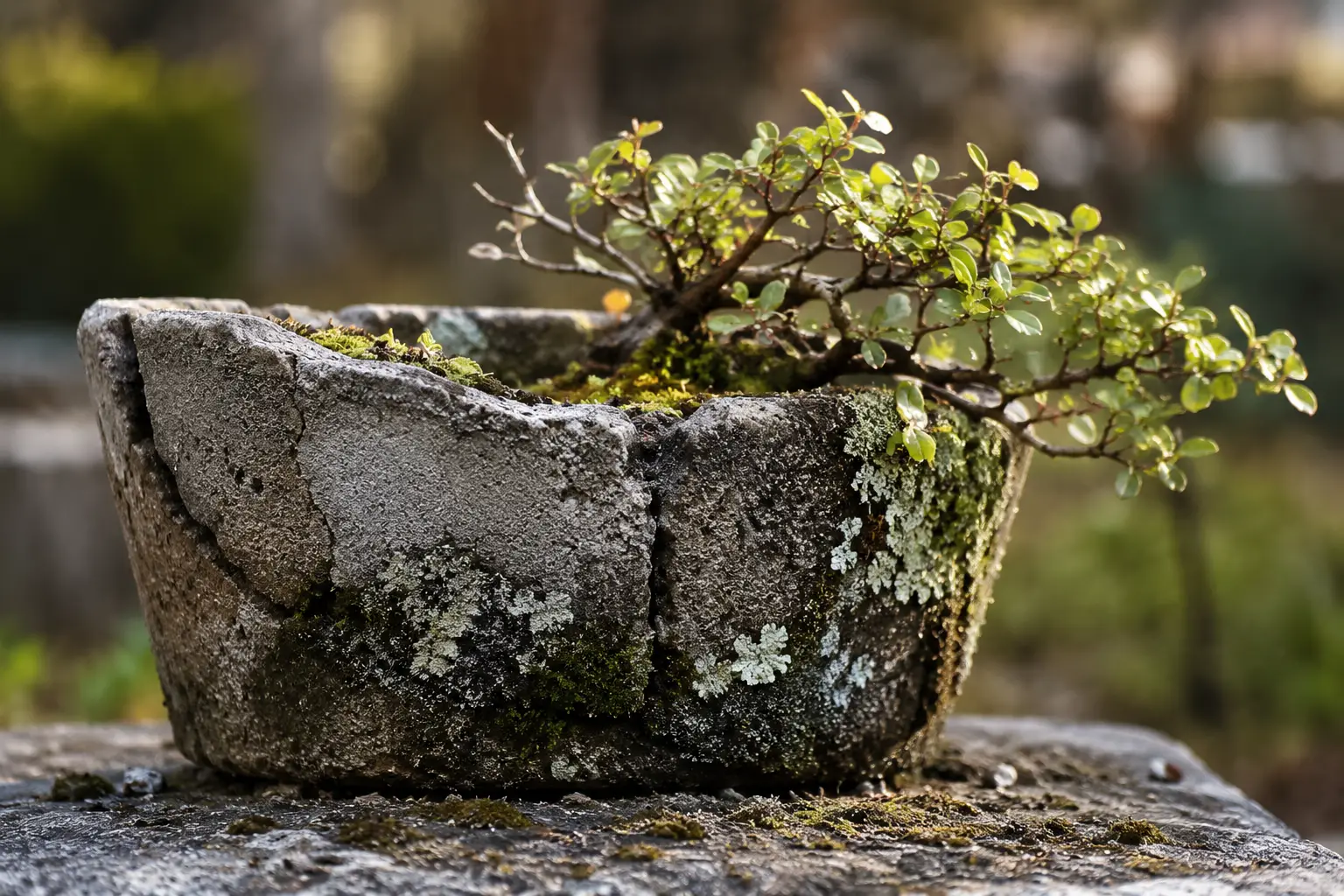
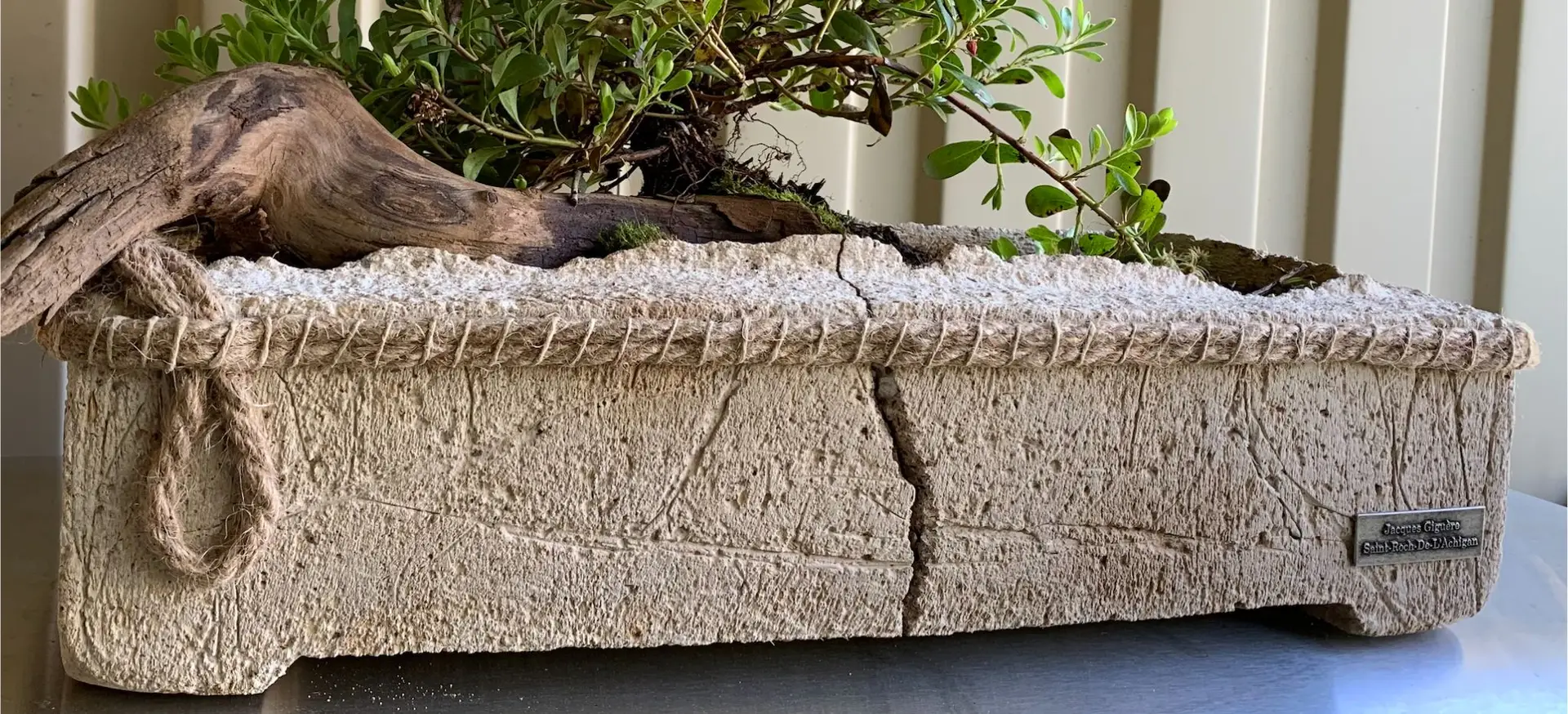
A crack I hadn’t planned.
A texture that resisted smoothing.
A surface that refused to be even.
At some point, I stopped fighting them.
Not because I understood wabi-sabi.
Not because I had a philosophy.
But because my hands were tired.
That was the moment something shifted.
I realized I wasn’t fixing mistakes —
I was erasing information.
The material was already speaking.
I just wasn’t listening.
When imperfection became the goal,
pressure disappeared.
There was no final image to reach.
No surface to correct endlessly.
Only a form, emerging slowly,
with its own logic.
Since then, I don’t ask the object to be perfect.
I ask it to be honest.
And most of the time,
that’s more than enough.
This text is part of the ongoing Hors Series — Fragments of Matter,
a space dedicated to material, process, and what happens in between.