Why this step matters more than most people think
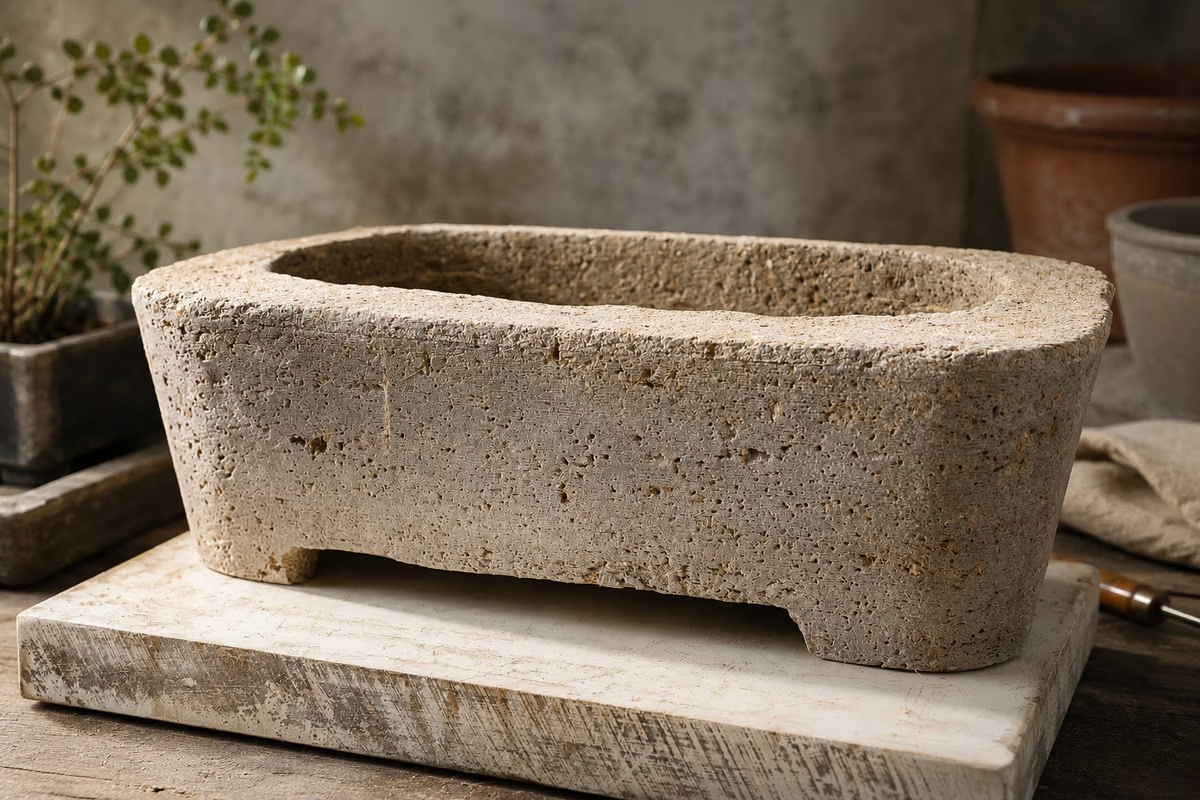
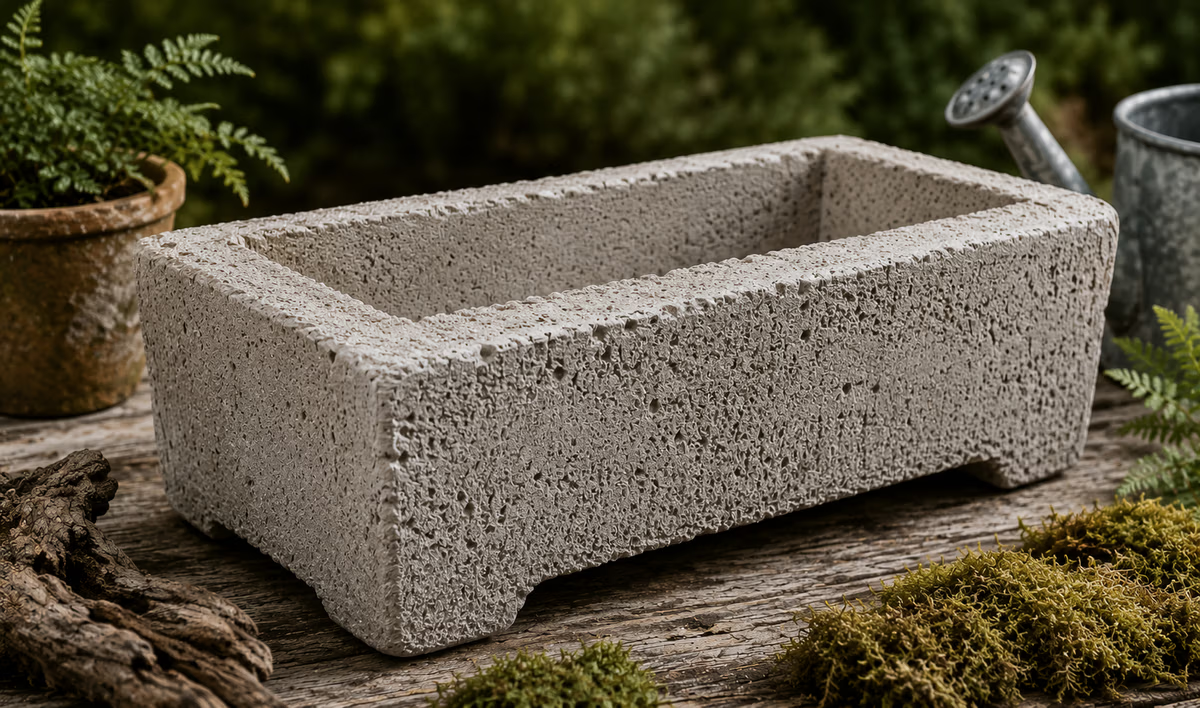
If your hypertufa pot looks finished but still doesn’t feel “ready,” you’re probably right.
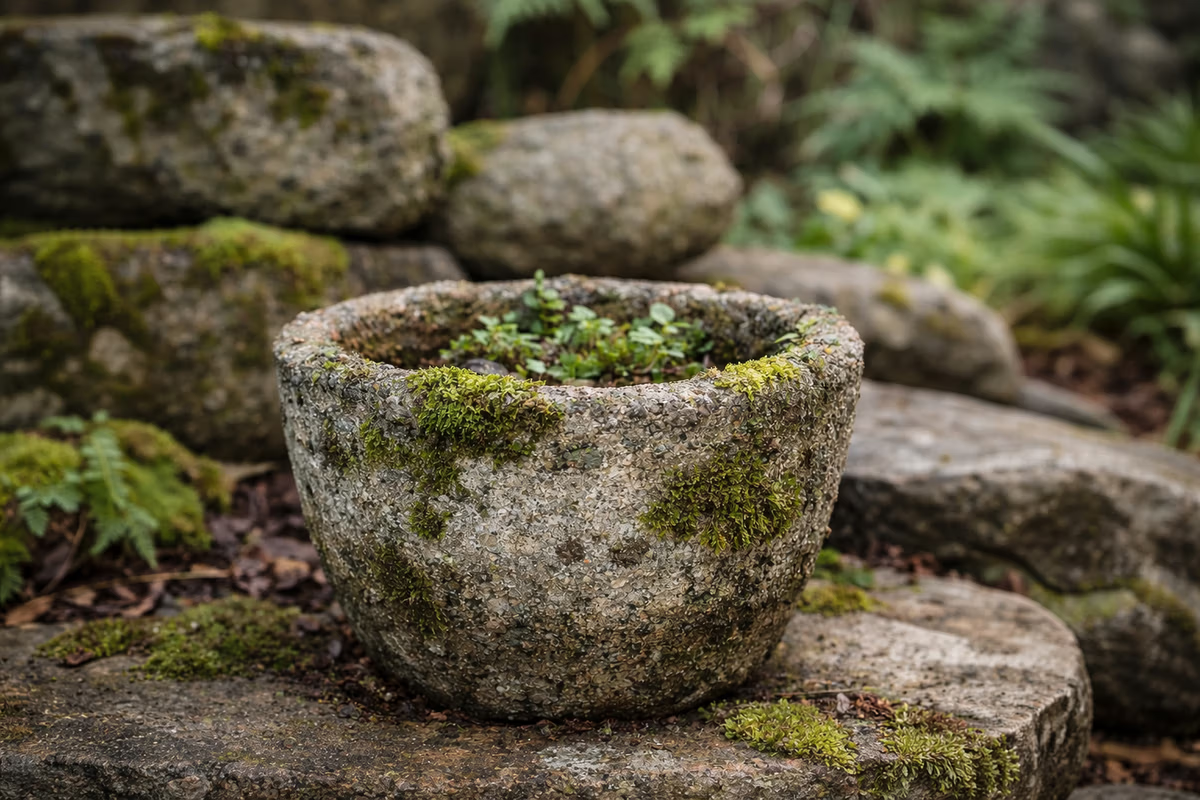
Rinsing and neutralizing is not an optional step. It’s the quiet moment where the pot stops being cement… and starts becoming a home for plants.
Many problems blamed on “bad hypertufa” actually come from skipping or rushing this stage.
Let’s slow it down and make it simple.
Why hypertufa needs to be rinsed
Fresh hypertufa contains free lime from cement.
That lime slowly leaches out when exposed to water, raising the pH around the pot.
For plants, especially mosses, succulents, and alpines, this can be stressful—or fatal.
Rinsing does two things:
It washes away loose cement residues
It begins lowering surface alkalinity before planting
This isn’t about perfection. It’s about reducing shock.

When to start rinsing
You should only rinse after:
The pot has fully cured structurally
It feels hard and stable
There is no soft or chalky surface
Curing builds strength.
Rinsing prepares the surface.
They are not the same step.
Simple rinsing method
works for most pots
Place the pot outdoors
Rinse thoroughly with clean water
Let it drain completely
Repeat once a day for several days
Rain does count. Time does count.
If the pot darkens unevenly at first, that’s normal.
Vinegar soak: when and why
For smaller pots or when you want to speed things up, a vinegar soak can help neutralize surface lime.
Basic method:
- Water + white vinegar (about 1 cup per gallon)
- Soak the pot for 1–2 hours
- Rinse thoroughly afterward
- Let dry completely
This does not “finish” the process — it assists it.
Time still does the real work.
What not to do
- Don’t plant immediately after rinsing
- Don’t seal before neutralizing
- Don’t scrub aggressively (you’ll damage the surface)
- Don’t chase exact pH numbers
Hypertufa improves gradually. That’s normal.
How to know it’s ready
A neutralized pot:
- No longer smells strongly of cement when wet
- Absorbs water evenly
- Feels calmer to the touch (less dusty, less chalky)
This is not a scientific test.
It’s an artisan one.
Your hands will recognize it.
A note on patience
Hypertufa doesn’t reward force.
It responds to rest.
Rinsing and neutralizing is where many makers first learn this.
Not everything needs to be fixed.
Some things need to be allowed.
External references (for deeper reading)
- University Extension resources on cement alkalinity and lime leaching
- Concrete curing and lime migration basics (non-commercial technical sources)
(These confirm the process — they don’t replace experience.)
If you’d like to save this article for later, you can find it on Pinterest.