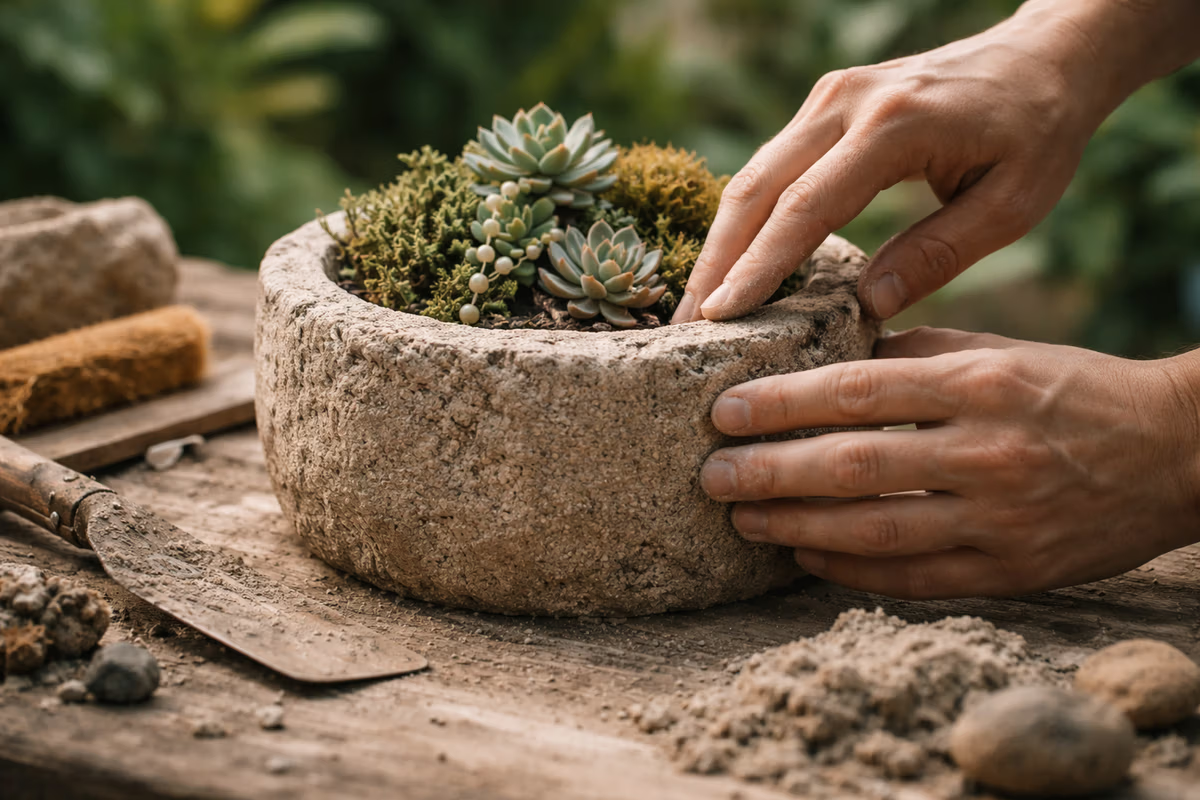
If you want to make hypertufa planters at home, the right tools make the process easier, cleaner, and much more enjoyable. You don’t need expensive equipment — just simple items that help you mix, shape, and finish your pot with confidence.
Here are the essential tools every beginner should have before starting.
1. Mixing Tools
These help you combine the ingredients until the texture is perfect.
A large mixing tub or plastic bin
A sturdy garden trowel or hand shovel
Gloves (hypertufa is alkaline and can irritate skin)
A measuring container for your mix ratios
Tip: Your mix is ready when it holds together like cookie dough.
2. Molds and Forms
Anything that can hold shape can become a mold.
Plastic bowls
Recycled containers
Small buckets
Food storage tubs
Choose molds with smooth sides for clean shapes, or textured molds for a natural stone effect.
3. Tools for Creating Texture
Once the hypertufa firms up slightly, you can sculpt the details.
Wire brush (excellent for natural stone patterns)
Metal spoon or butter knife
Old paintbrush
A piece of rough bark or stone for imprinting texture
Textures make the planter look more realistic and handcrafted.
4. Tools for Finishing the Edges
To smooth or sharpen the edges of your planter:
Fine-grit sandpaper
A rasp or metal file
Small carving tools (optional)
Let the pot firm up a bit before shaping — too soft and it collapses, too hard and it becomes difficult to carve.
5. Tools for Drainage Holes
Drainage is essential for plant health.
A drill with a masonry bit
Or a sharp screwdriver (if the hypertufa is still slightly soft)
Make the hole early enough so the material doesn’t crack later.
6. Safety Equipment
A small but important list:
Dust mask (cement dust is irritating)
Protective gloves
Eye protection when drilling
Conclusion
With just a few simple tools, you can create durable, lightweight, and beautiful hypertufa planters. As you gain experience, you’ll naturally add new tools to your setup — but these basics are more than enough to get started.
If you’d like to save this article for later, you can find it on Pinterest.