When I add pigments, the problem is time.
More than a month before seeing what it really becomes.
No quick correction.
No immediate decision.
I don’t want a color that reads as added.
Something laid on top.
White cement is very reactive, but the logic of dosage is still complicated.
Looking for a so-called natural color remains the best option.
So I reduce.
I include a small amount of pigment, sometimes intentionally too pale.
I prefer being able to return to it later, once it’s dry,
rather than having to remove what is already too present.
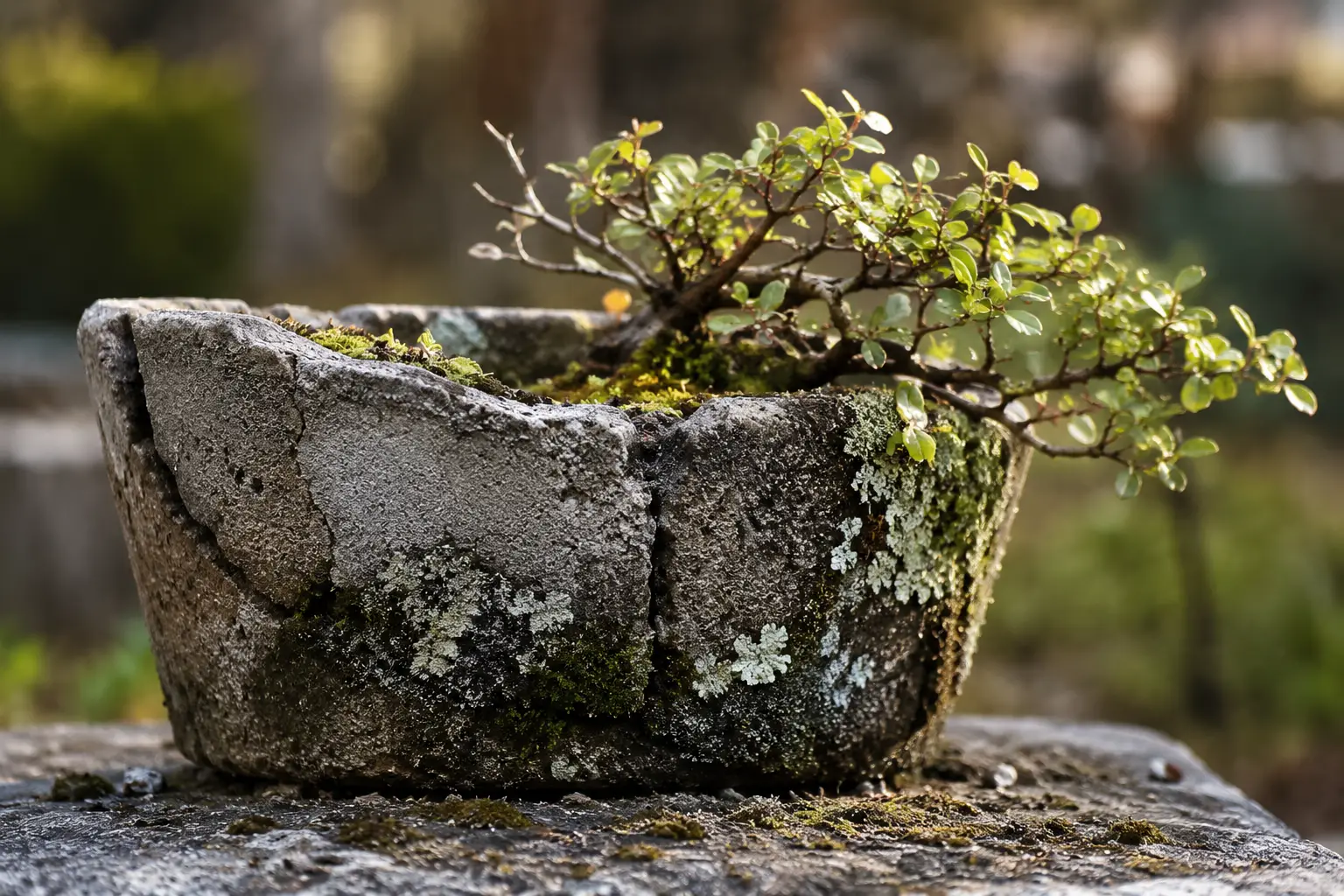
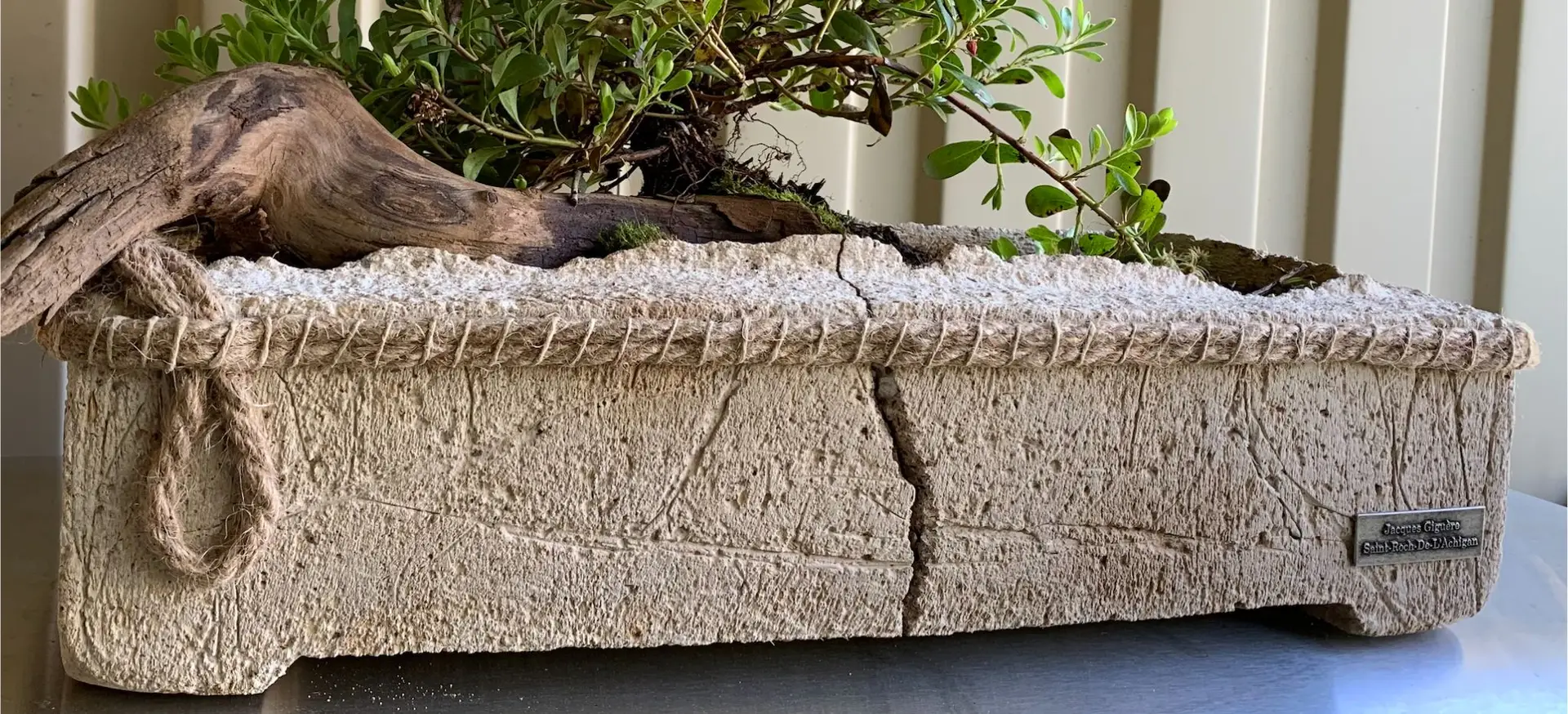
This week, there is this pot that was commissioned.
The client asked for a wabi-sabi version.
It works well.
Pure wabi-sabi.
Imperfections remain visible.
Nothing is too smooth.
Nothing is fully controlled.
There is a visual silence.
The object does not try to seduce.
It exists.
Matter comes before aesthetics.
You can feel the hand.
Time.
Possible use.
There is also this restraint.
A slight melancholy.
Not emphasized.
But essential.
I stop here.
The rest will take time.
This text is part of the ongoing Hors Series — Fragments of Matter,
a space dedicated to material, process, and what happens in between.