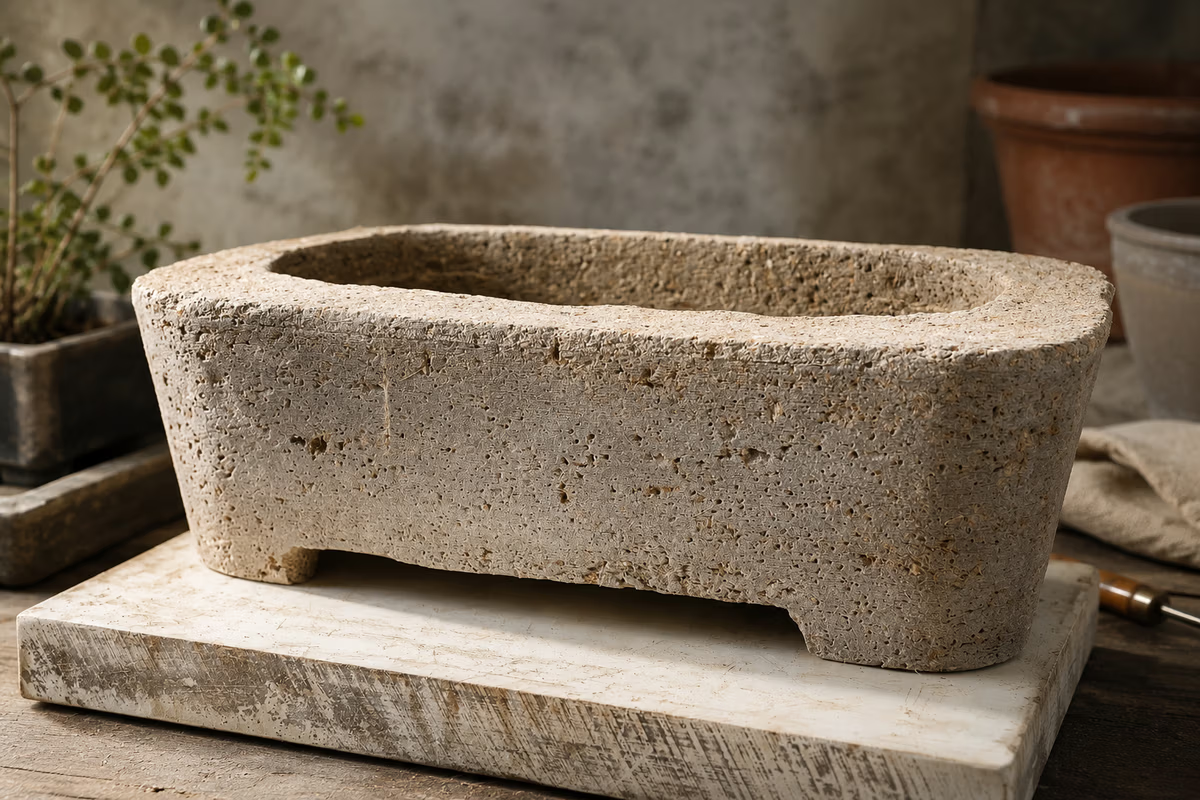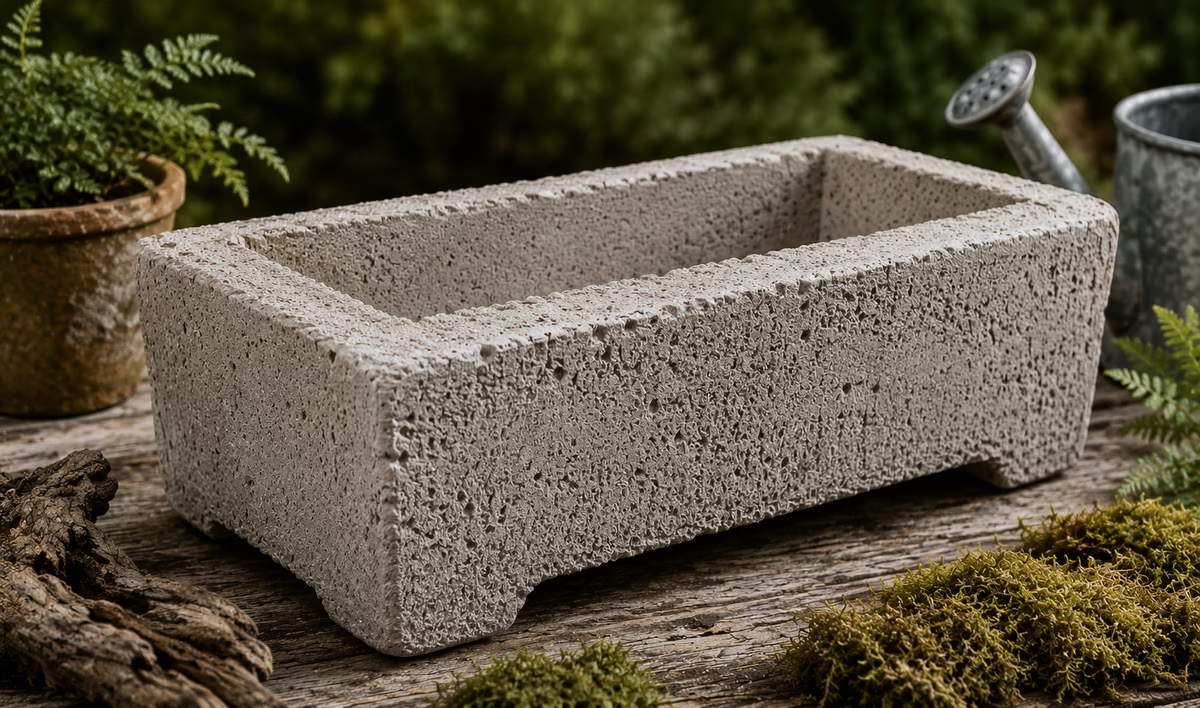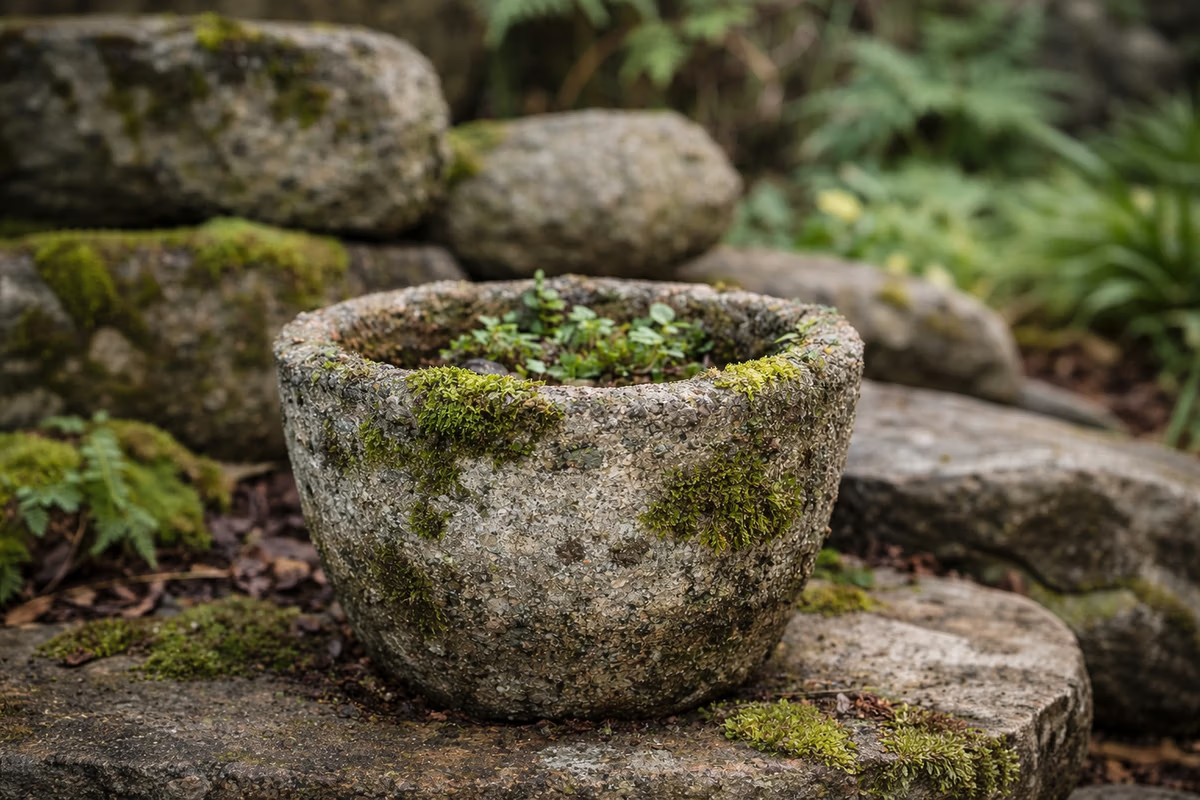
How to Prevent Cracks in Hypertufa Pots
Cracks are one of the most common issues when making hypertufa pots. The good news is that most cracks are not random — they usually come from a few avoidable mistakes during mixing, curing, or handling.
Here’s how to prevent cracks and create stronger, longer-lasting hypertufa planters.
1. Start With the Right Mix Consistency
One of the main causes of cracking is a mix that is too dry or too wet.
- Too dry → weak bonding, surface cracks
- Too wet → shrinkage cracks as it dries
Your hypertufa mix should feel like thick oatmeal or cookie dough, using a “well-balanced hypertufa recipe.“
When you squeeze it in your hand, it should hold its shape without dripping water.
2. Pack the Mix Gently, Not Aggressively
Pressing the mix too hard into the mold can create internal stress.
- Pack firmly, but don’t over-compress
- Avoid pounding or smashing the mix
A relaxed, even pressure creates a more stable structure.
3. Control the Drying Speed
Hypertufa hates drying too fast.
Fast drying = cracks.
To avoid this:
- Cover the pot completely with plastic
- Keep it out of direct sun and wind
- “Let it cure slowly” for at least 24–48 hours before touching it
Slow curing allows the cement to gain strength evenly.

4. Avoid Early Handling
Moving or shaping the pot too soon is another major cause of cracks, especially before the material has “fully dried.“
- Don’t lift the pot until it feels firm
- Avoid carving edges when it’s still fragile
- Let gravity work — don’t rush it
Patience here saves repairs later.
5. Reinforce When Needed
Large or thin-walled planters need extra support.
You can reinforce hypertufa by:
- Adding fiberglass mesh
- Using hardware cloth
- Slightly increasing wall thickness
Reinforcement helps prevent structural cracks over time.
6. Accept Small Cracks as Part of the Material
Not all cracks are failures.
Hairline cracks are common and usually harmless.
In many cases, they add character and authenticity to the piece — especially if you appreciate a natural, stone-like finish.
Hypertufa is not concrete. It’s meant to age, breathe, and change.
Conclusion
Most cracks can be prevented by:
- Proper mix consistency
- Slow curing
- Gentle handling
- Reinforcement when necessary
Take your time, respect the material, and let it do its work.
Strong hypertufa comes from patience, not force.
If you’d like to save this article for later, you can find it on Pinterest.