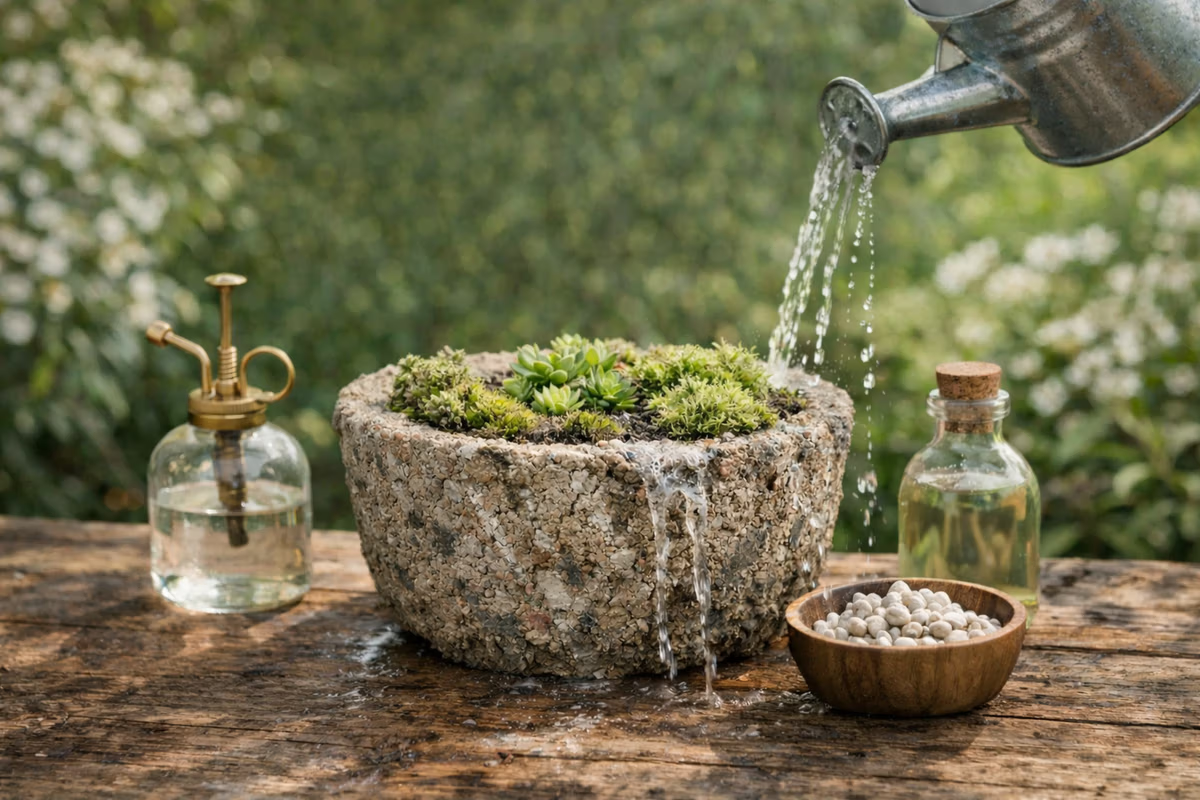
Two handmade hypertufa pots showing the difference between darker wet cement and lighter cement after drying and curing.

Why Pigments Fade in Cement Pots

Pigment color in hypertufa and cement pots shifts during curing and drying due to several interacting factors, including water content, cement type, and efflorescence. Wet cement appears darker because water fills surface pores, and the true color only becomes visible once the material has fully dried. Consistent results depend on controlling water-to-cement ratios, using mineral […]

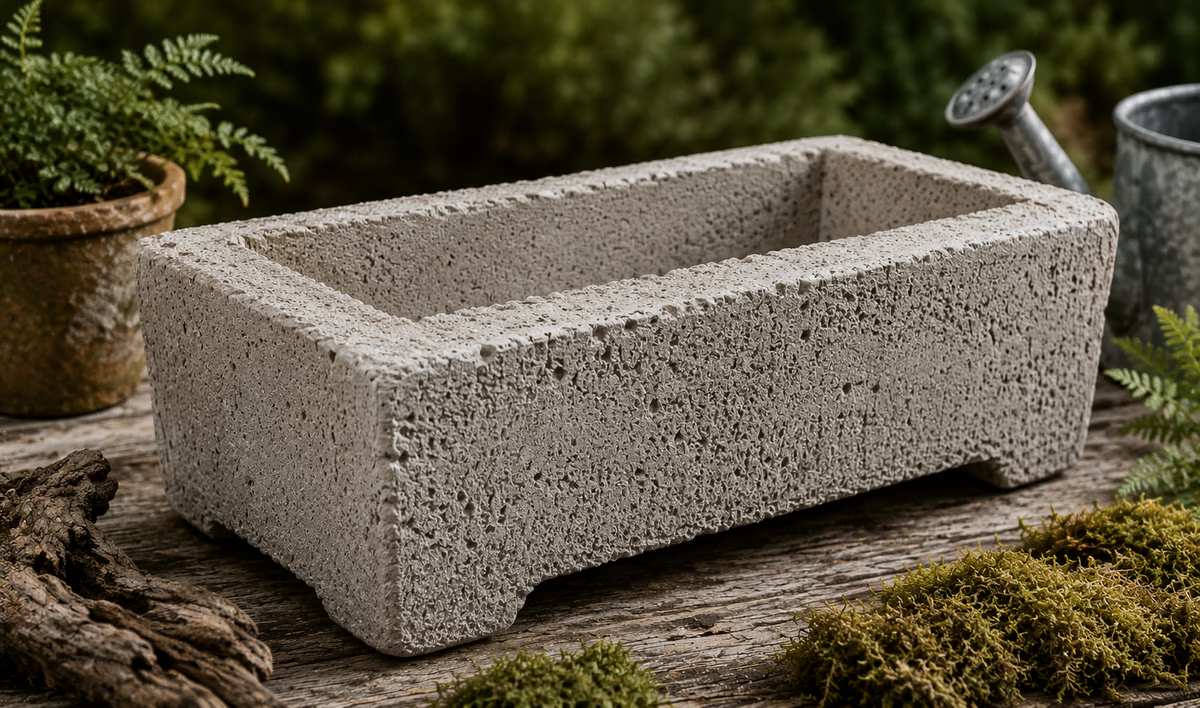
Handcrafted hypertufa planter resting on a rustic wooden table surrounded by moss and garden elements in soft natural light.

Why Hypertufa Turns White Over Time

Hypertufa planters sometimes develop a pale white coating over time, a natural process called efflorescence. It occurs when calcium compounds produced during cement curing dissolve in moisture and migrate to the surface, leaving behind mineral deposits as water evaporates. It is not mold, damage, or a recipe error. Several factors influence how visibly this occurs, […]

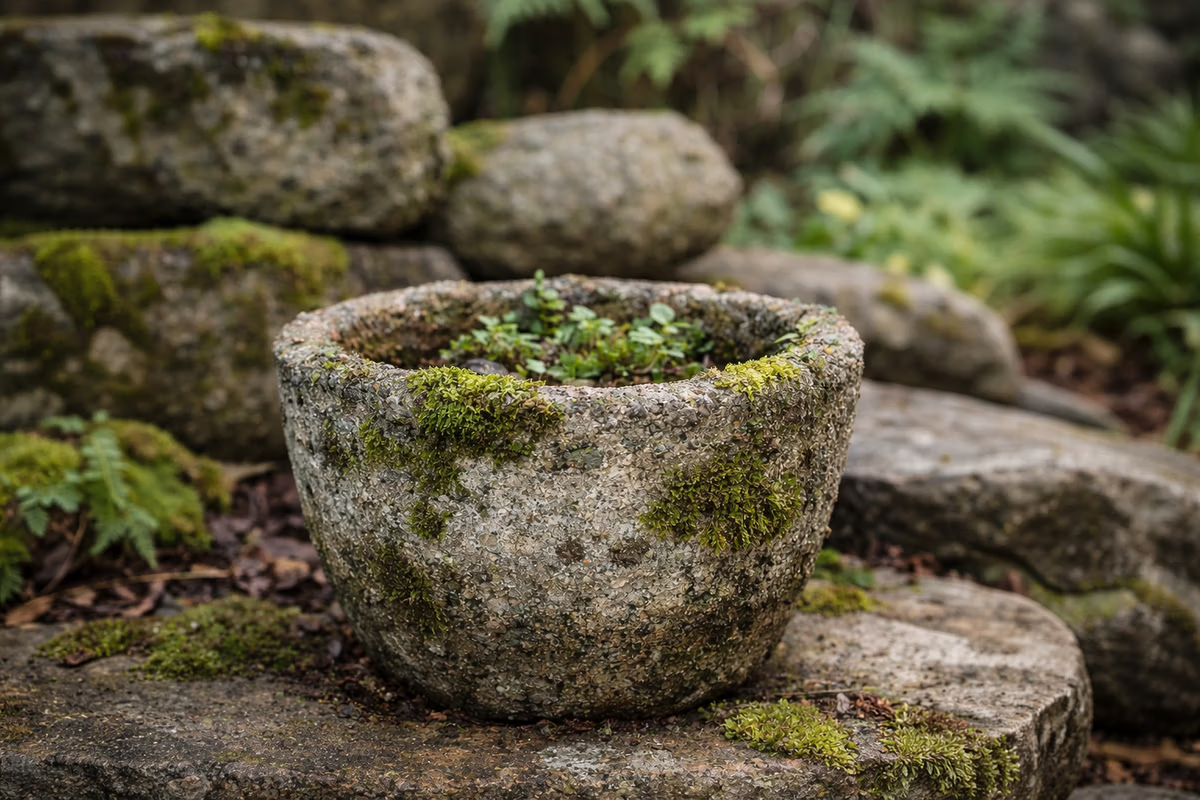
Moss growing naturally on a hypertufa pot in a shaded garden, showing an aged and textured surface

Moss on Pots: Myth vs Reality

Growing moss on garden pots is possible but far less predictable than popular blender-based recipes suggest. Moss follows environmental conditions, not instructions, and requires consistent moisture, shade, and a porous surface like hypertufa, unsealed concrete, or old terracotta to establish naturally. Forcing moss through applied mixtures rarely produces reliable results. Allowing moss to arrive on […]

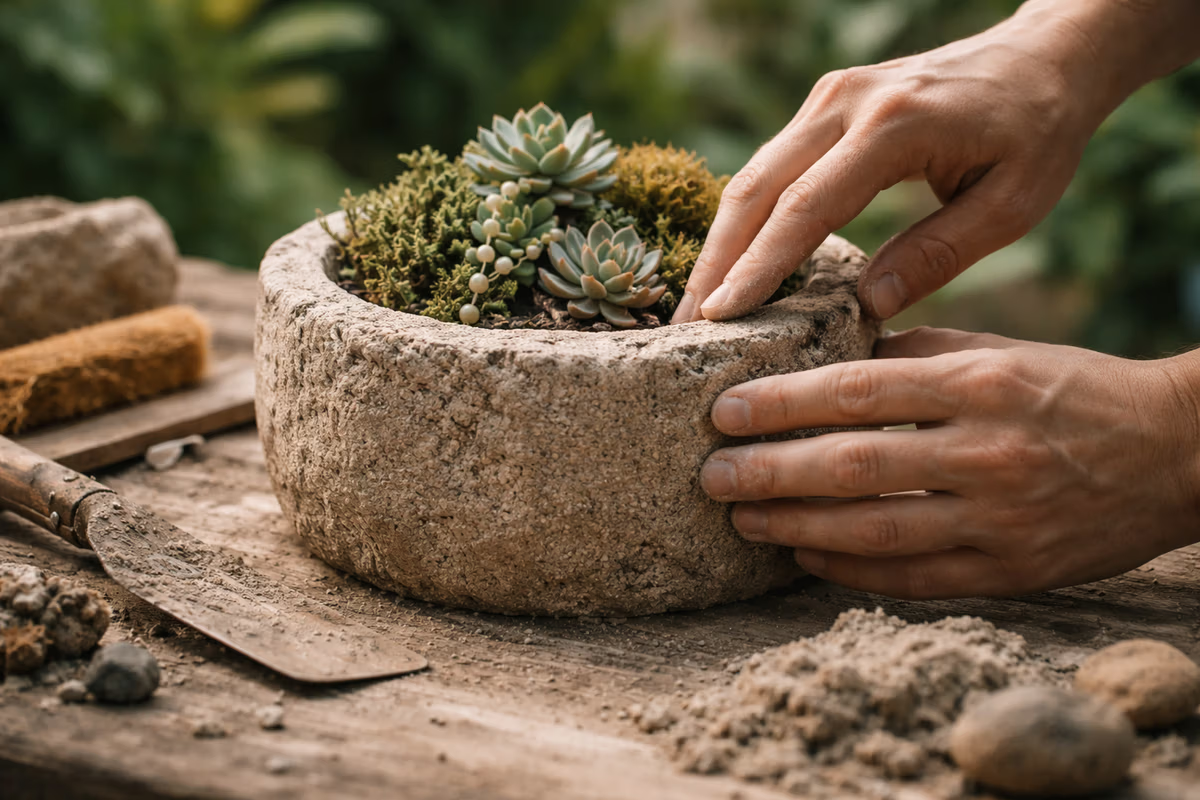
Hand shaping a hypertufa planter showing natural wall thickness and stone-like texture

How Thick Should a Hypertufa Planter Be?

Wall thickness is one of the most important variables when making hypertufa planters, influencing structural strength, crack resistance, weight, and curing time. General guidelines suggest 2–3 cm for small planters, 3–4 cm for medium, and 4–6 cm for large ones, with extra attention to bases, corners, and rims. The ideal thickness also depends on the […]

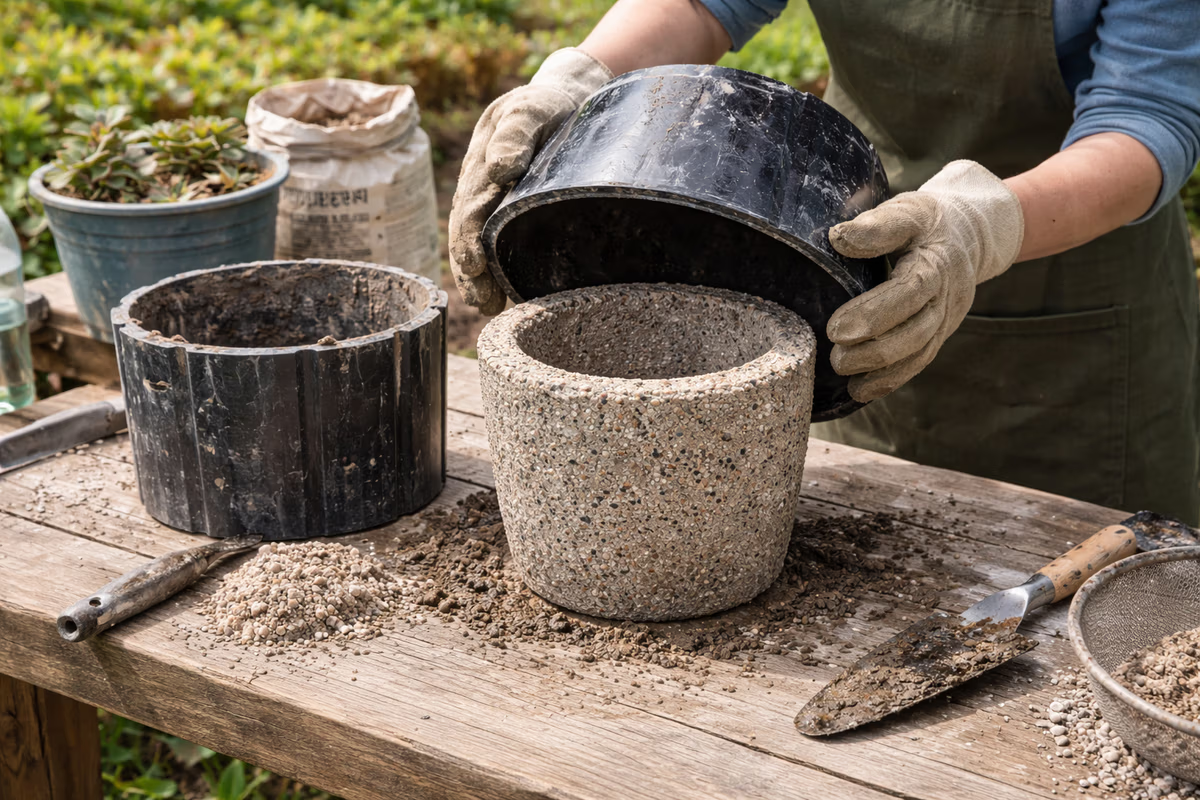
Hands carefully demolding a single hypertufa planter outdoors, showing the moment the mold is gently removed.

Why Demolding Matters More Than You Think

Why Demolding Matters More Than You Think How to demold hypertufa Hypertufa doesn’t break because it’s weak.It breaks because it’s still becoming. At this stage, the cement has started to harden, but it hasn’t finished bonding internally. Treat it like clay that is learning how to be stone. Rushing this step is the fastest way […]

Cracked hypertufa pots showing damage caused by improper curing and drying

How to Prevent Cracks in Hypertufa Pots

Cracks in hypertufa pots typically originate during mixing, molding, or the early curing period rather than at the moment they become visible. Key factors include water balance in the mixture, uniform compaction, consistent wall thickness, proper reinforcement placement, and protecting the pot from rapid moisture loss during curing. Demolding too early, lifting a pot incorrectly, […]

Hypertufa pots of different sizes curing outdoors, fully wrapped in black plastic

How Long Does Hypertufa Take to Dry?

If you’ve ever asked yourself whether your hypertufa pot is dry enough, you’re not alone. This is one of the most common — and most misunderstood — parts of the process. Hypertufa doesn’t dry like clay.And it doesn’t behave like regular concrete either. Time matters here. But how time works matters even more. Drying is […]

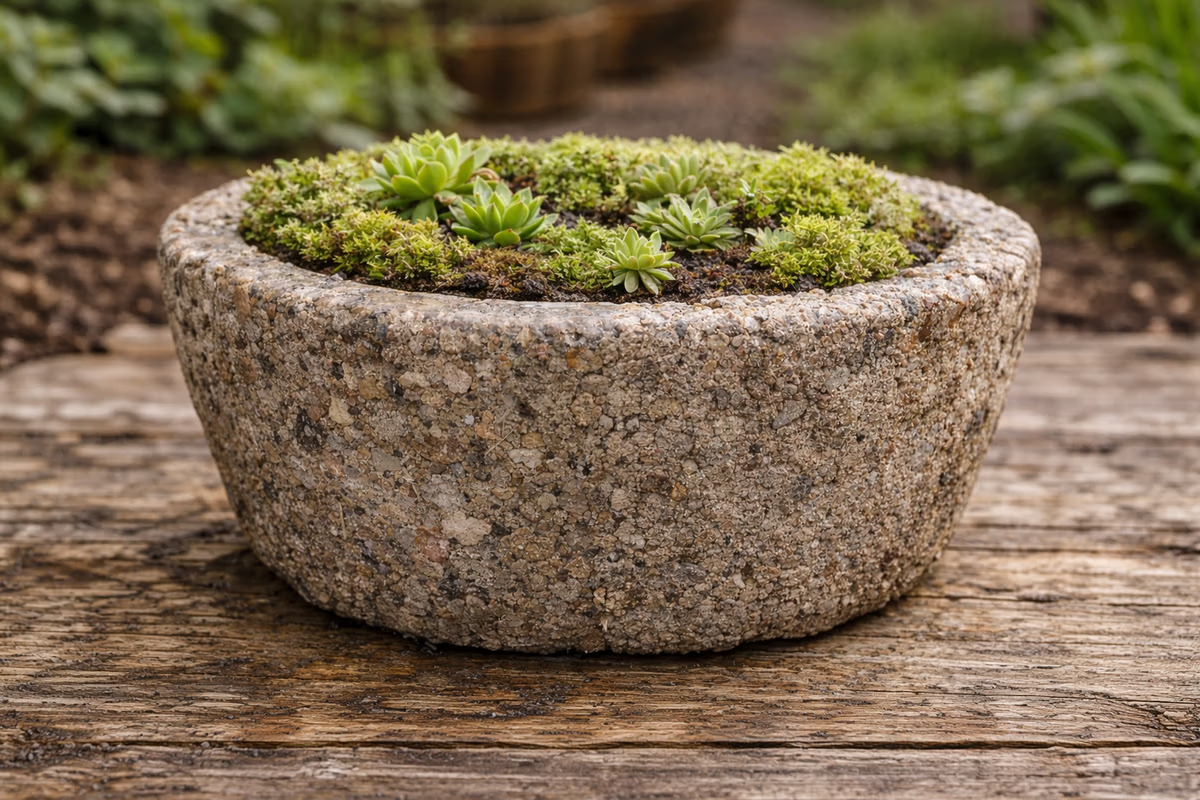
Natural hypertufa pot with visible texture and early patina outdoors

Seal or Not Seal? Hypertufa Pros & Cons

Pros & Cons for Hypertufa Pots Sealing hypertufa is one of the most debated topics among makers.Some swear by it. Others avoid it completely. The truth is simpler—and more honest—than most advice you’ll find. Sealing is not required.But it’s not wrong either. It’s a choice. And like most choices in hypertufa, it depends on what […]

Handmade hypertufa pot being gently rinsed outdoors to prepare the surface

How to Rinse & Neutralize Your Hypertufa Pot

Why this step matters more than most people think If your hypertufa pot looks finished but still doesn’t feel “ready,” you’re probably right. Rinsing and neutralizing is not an optional step. It’s the quiet moment where the pot stops being cement… and starts becoming a home for plants. Many problems blamed on “bad hypertufa” actually […]

Végétalarium