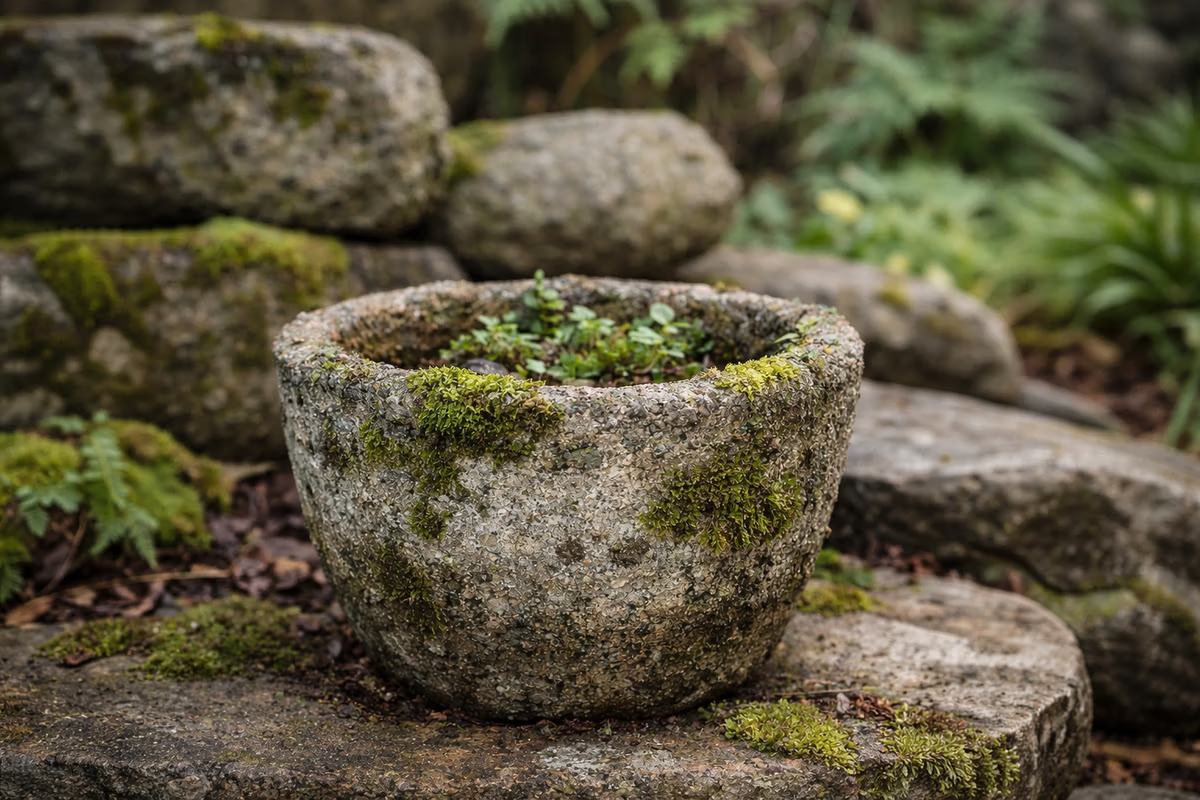
Handmade hypertufa planter showing natural porous texture, photographed in the Végétalarium workshop.

Perfect Isn’t Natural

Hypertufa planters are handmade from cement, sand, and peat, meaning no two pieces are identical. Surface cracks, color variation, and uneven edges result naturally from the materials and process, and are understood here not as defects but as inherent characteristics of something made by hand. This perspective draws on the Japanese aesthetic of wabi-sabi, which […]
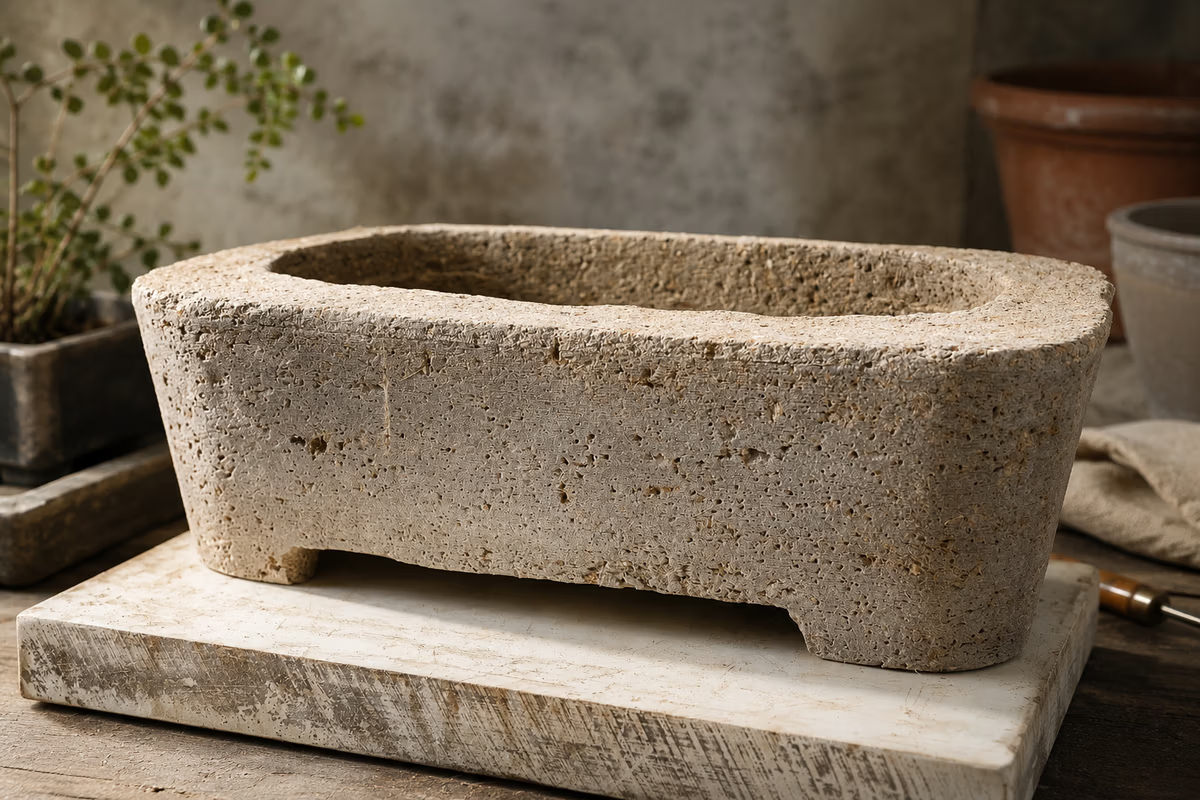
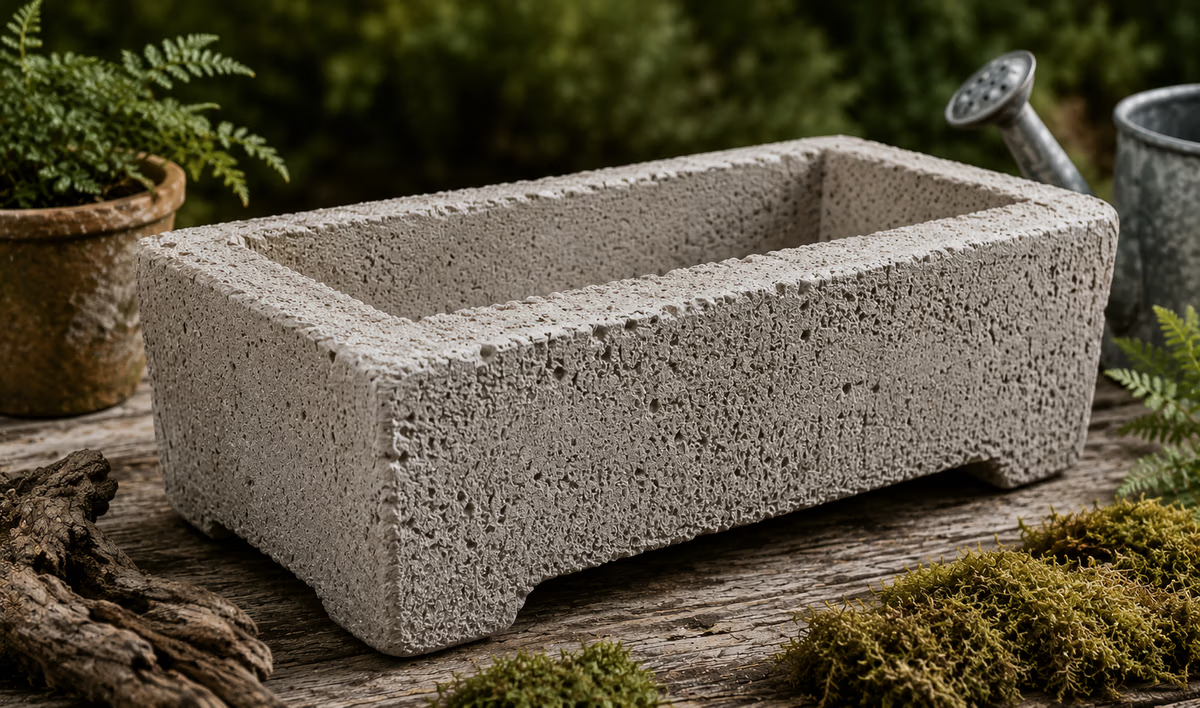
Handcrafted hypertufa planter resting on a rustic wooden table surrounded by moss and garden elements in soft natural light.

Why Hypertufa Turns White Over Time

Hypertufa planters sometimes develop a pale white coating over time, a natural process called efflorescence. It occurs when calcium compounds produced during cement curing dissolve in moisture and migrate to the surface, leaving behind mineral deposits as water evaporates. It is not mold, damage, or a recipe error. Several factors influence how visibly this occurs, […]

Moss growing naturally on a hypertufa pot in a shaded garden, showing an aged and textured surface

Moss on Pots: Myth vs Reality

Growing moss on garden pots is possible but far less predictable than popular blender-based recipes suggest. Moss follows environmental conditions, not instructions, and requires consistent moisture, shade, and a porous surface like hypertufa, unsealed concrete, or old terracotta to establish naturally. Forcing moss through applied mixtures rarely produces reliable results. Allowing moss to arrive on […]

Handmade hypertufa pot with natural texture blending into a calm garden setting

Why Some Hypertufa Pots Feel Alive

Some hypertufa pots seem to belong naturally in a garden setting, while others feel like objects merely placed there. The difference lies not in following a precise recipe, but in how the pot is handled — surface texture, slight irregularities, and edges that catch light in varied ways all contribute to a sense of life. […]

Hypertufa planters showing natural mineral colors after curing, made with earthy pigments and textured surfaces

How to Color Hypertufa Naturally

How to Color Hypertufa Naturally A quiet approach to lasting, earthy tones   Introduction Hypertufa is not meant to shout.It belongs to stone, time, weather, and silence. When people ask how to color hypertufa, they often expect quick answers: pigments, paint, finishes.But natural color in hypertufa does not come from decoration — it comes from […]

Hands creating natural texture on a hypertufa pot by pressing and shaping the surface while the material is still damp.

How to Create Texture on Hypertufa by Hand

Introduction Texture is what gives hypertufa its soul.Before color, before plants, before finishes — texture is what makes a piece feel natural, aged, and alive. The good news is that you don’t need special tools.Your hands, a few simple objects, and patience are enough. In this guide, I’ll show you how to create natural texture […]

Hands forming a small hypertufa pot using plastic bowl molds, showing the step-by-step beginner process.

How to Make a Small Hypertufa Pot

Introduction If you’ve never made a hypertufa pot before, starting small is the best way to learn.A small hypertufa pot is easy to handle, forgiving, and perfect for understanding how the material behaves. In this simple project, I’ll walk you through each step, using basic tools and materials.No experience required — just curiosity and a […]

Side-by-side comparison of a hypertufa planter and a concrete planter, showing differences in texture and surface finish.

Hypertufa vs Concrete: What’s the Difference?

If you’re new to hypertufa, one question comes up again and again:Is hypertufa just concrete? The short answer is no.While both materials share cement as a base, their purpose, texture, and behavior are very different. Let’s break it down simply. What Is Concrete? Concrete is a dense, hard material designed for strength and durability.It’s used […]

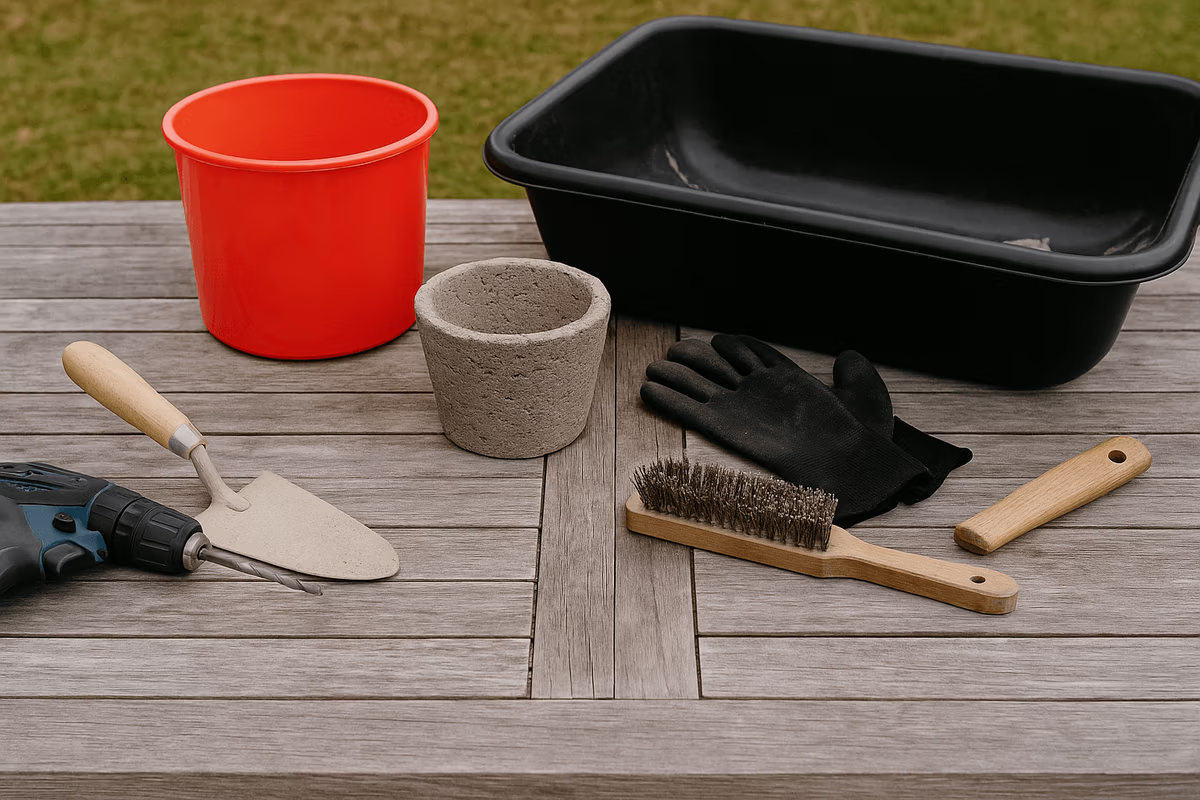
Tools needed for making hypertufa planters laid out on a work table

Tools You Need for Making Hypertufa Planters

If you want to make hypertufa planters at home, the right tools make the process easier, cleaner, and much more enjoyable. You don’t need expensive equipment — just simple items that help you mix, shape, and finish your pot with confidence. Here are the essential tools every beginner should have before starting. 1. Mixing Tools […]

Hypertufa ingredients displayed on a table, including peat moss, perlite, sand, and Portland cement – Studio Végétalarium.

How to Mix Hypertufa: Step-by-Step Basics

Introduction Mixing hypertufa is easier than it looks — and once you understand the basics, you can create planters that are lightweight, strong, and full of natural texture.In this guide, I’ll show you the exact step-by-step method used by many artisans (including me) to achieve a consistent, beautiful mix every time. Whether you’re making your […]

Végétalarium