Why Hypertufa Is Perfect for Succulents
Succulents are often described as easy plants.
But the truth is, they are simply plants that prefer balance.
Too much water, and their roots begin to suffer.
Too little airflow, and moisture lingers longer than it should.
Even a beautiful pot can slowly become a problem if it traps humidity around the roots.
That is one reason why hypertufa and succulents feel so natural together.
Hypertufa is not just decorative.
It breathes differently than many modern containers.
Its texture, porosity, and stone-like character create an environment that often feels closer to the rocky landscapes where many succulents naturally grow.
And perhaps that is why the combination feels so calming.
What Makes Hypertufa Different?
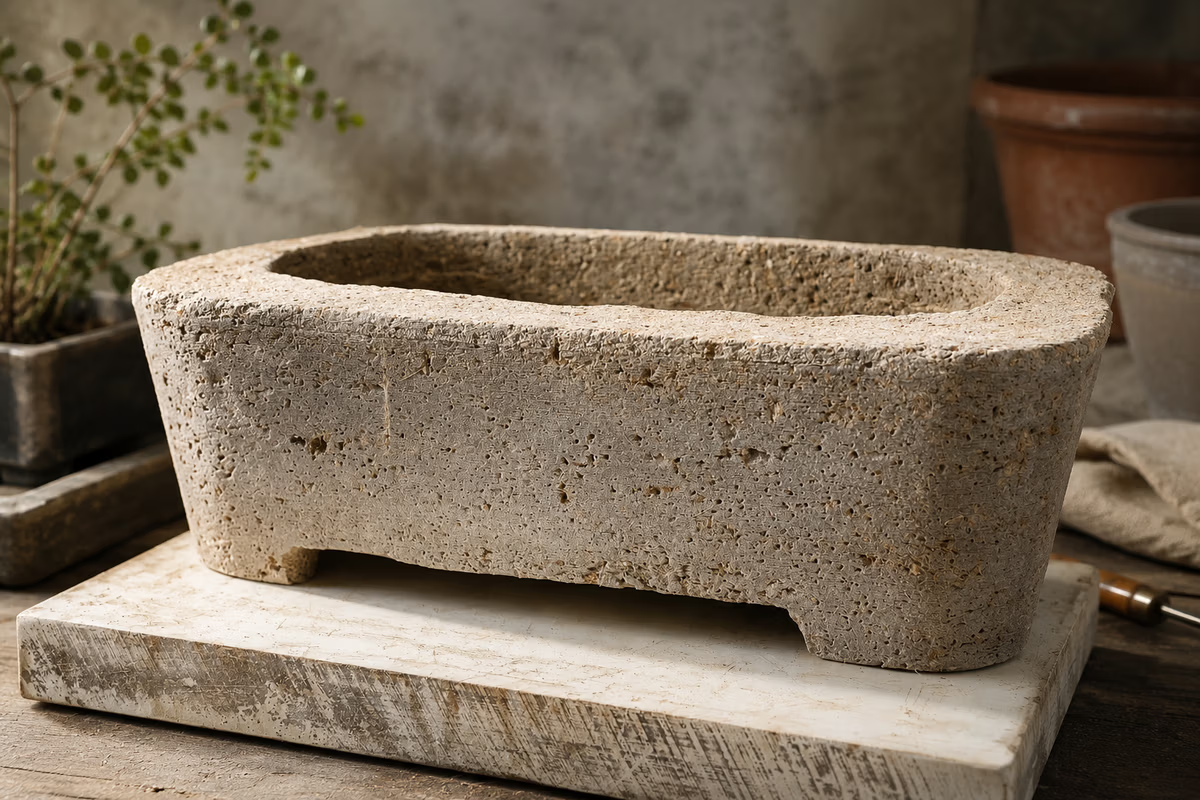
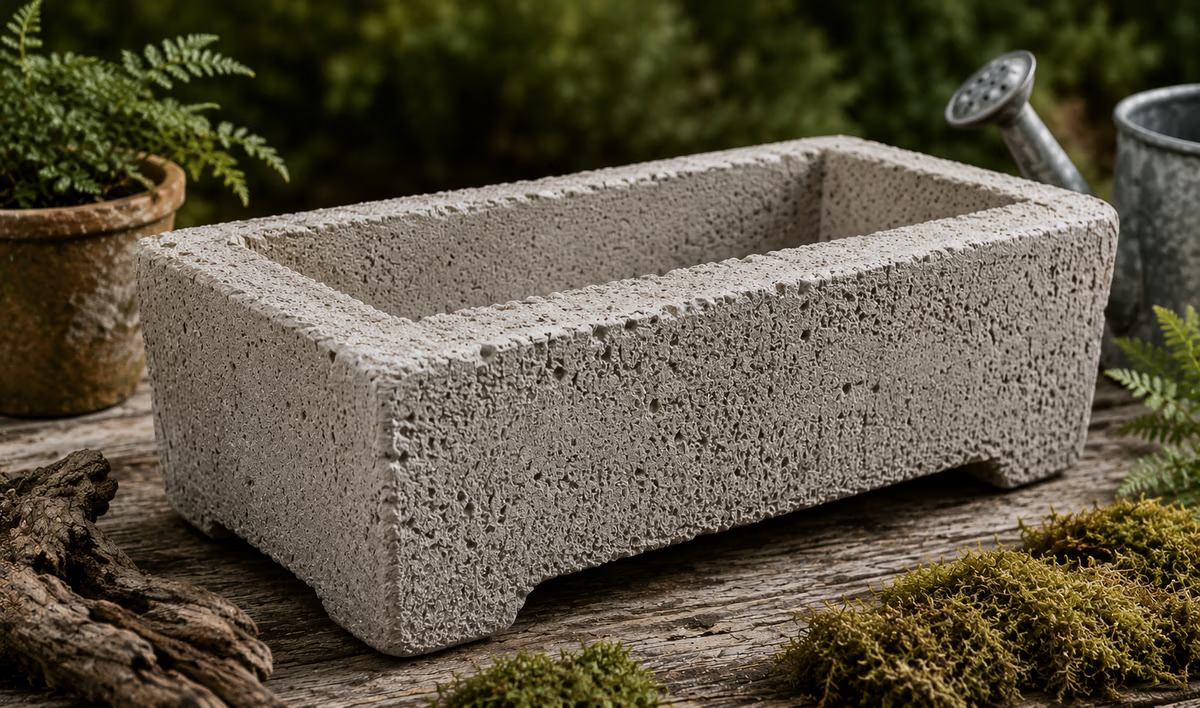
Hypertufa is a lightweight cement-based material traditionally made from ingredients such as peat moss, coconut fiber, perlite, sand, and cement.
Unlike smooth glazed pots, hypertufa has a porous surface that allows moisture and air to move more naturally through the container.
That small difference changes everything.
The pot does not feel sealed.
It dries more evenly.
And the roots are less likely to remain trapped in stagnant moisture after watering.
For succulents, this matters more than people realize.
Succulents Prefer Roots That Can Breathe
Many beginners believe succulents die because they were not watered enough.
In reality, overwatering is usually the real problem.
Succulent roots dislike remaining wet for long periods.
When moisture stays trapped inside dense soil or non-breathable containers, the roots can slowly weaken and rot.
Hypertufa helps reduce that risk naturally.
Because the material is porous, excess moisture can evaporate more gradually through the walls of the pot itself.
This does not replace proper soil or drainage holes.
But together, these elements create a healthier environment for the plant.
Why Succulents Feel Natural in Hypertufa
Better Airflow Around Roots
The porous texture encourages healthier root conditions compared to completely sealed containers.
Faster Drying After Watering
Water does not remain trapped as long, which helps prevent excess humidity around sensitive roots.
Natural Temperature Moderation
Hypertufa tends to heat and cool more gently than thin plastic containers exposed to sunlight.
A More Organic Appearance
The mineral texture pairs beautifully with succulents, cacti, stones, moss, and dry garden arrangements.
Many people feel that hypertufa simply looks “right” with desert plants.
And perhaps they are right.
The Beauty of Imperfection
One of the reasons I continue working with hypertufa is that no two pieces ever become identical.
Some surfaces emerge smoother.
Others reveal tiny textures, pores, shadows, or mineral variations that slowly evolve over time.
Succulents seem to belong inside these imperfect forms.
A polished industrial container can sometimes feel disconnected from the quiet beauty of living plants.
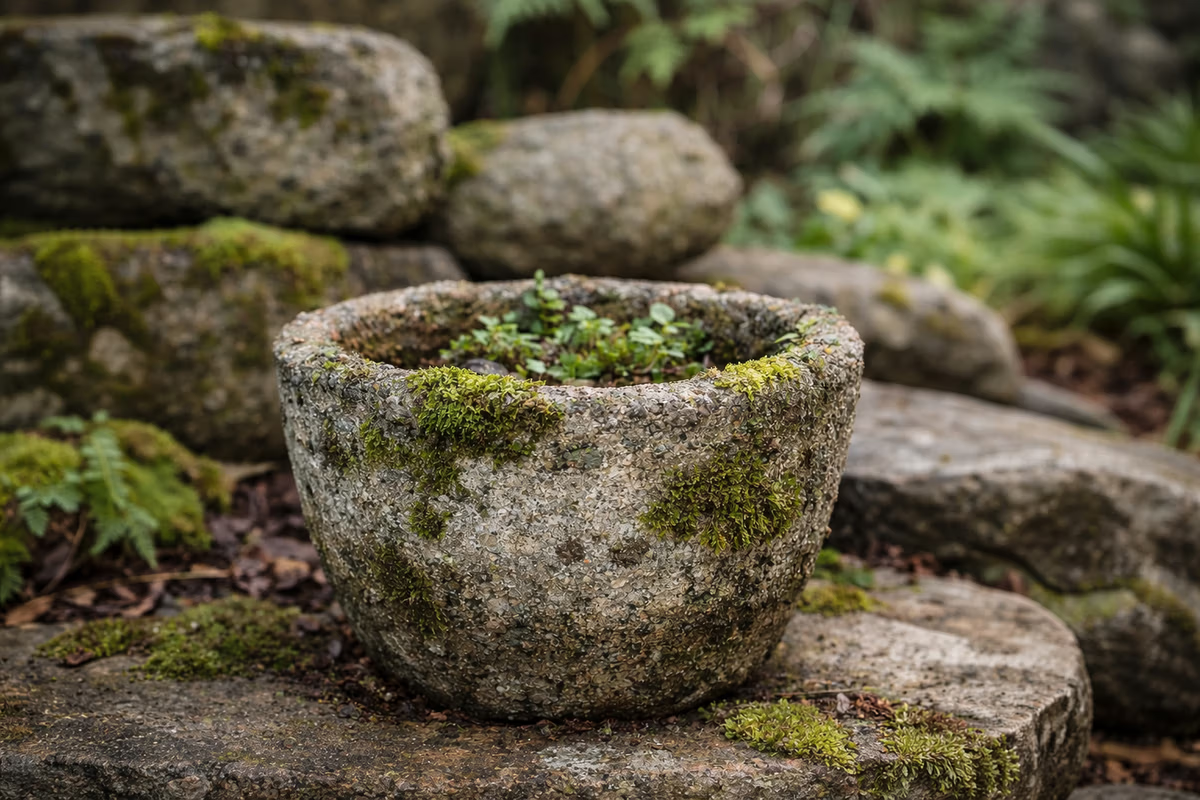
But hypertufa ages gently.
It develops character.
And over time, the pot itself becomes part of the arrangement.
Lightweight, Yet Strong
Another advantage of hypertufa is its balance between strength and weight.
Traditional concrete planters can become extremely heavy, especially for balconies, terraces, or indoor arrangements.
Hypertufa remains much lighter while still offering durability and a stone-like appearance.
This makes it easier to move seasonal arrangements or reposition plants as lighting changes throughout the year.
For urban balconies especially, this difference can be very important.
Indoor or Outdoor Use?
Hypertufa works beautifully both indoors and outdoors when properly made.
For outdoor use, proper curing, drainage, and wall thickness are essential, especially in colder climates with freeze-thaw cycles.
For indoor succulents, many people appreciate the calmer and more natural atmosphere hypertufa creates compared to glossy decorative containers.
The material feels quiet.
Almost timeless.
Choosing the Right Soil Still Matters
Even the best hypertufa pot cannot compensate for soil that retains too much water.
Succulents generally prefer fast-draining mixes that allow moisture to pass through quickly.
A good succulent mix often contains ingredients such as:
- Perlite
- Sand
- Small stones or pumice
- Cactus soil
- Mineral components that improve drainage
Combined with a hypertufa container, this creates conditions that help roots stay healthier over time.
A Pot That Slowly Becomes Part of the Garden
Perhaps that is the true beauty of hypertufa.
It does not try to remain perfect forever.
Its surface slowly changes with light, water, seasons, and time.
Small textures appear.
Colors soften.
Edges become gentler.
And somehow, succulents seem to understand that naturally.
They were never meant to live inside something sterile and artificial.
They belong in textures that breathe, age, and quietly become part of the garden.
If you’d like to save this article for later, you can find it on Pinterest.