If you’re new to hypertufa, one question comes up again and again:
Is hypertufa just concrete?
The short answer is no.
While both materials share cement as a base, their purpose, texture, and behavior are very different.
Let’s break it down simply.
What Is Concrete?
Concrete is a dense, hard material designed for strength and durability.
It’s used in construction for sidewalks, foundations, and structural elements.
Basic concrete mix:
Cement
Sand
Gravel
Water
Once cured, concrete becomes:
Very heavy
Very hard
Almost non-porous
Concrete is made to last, not to breathe.
What Is Hypertufa?
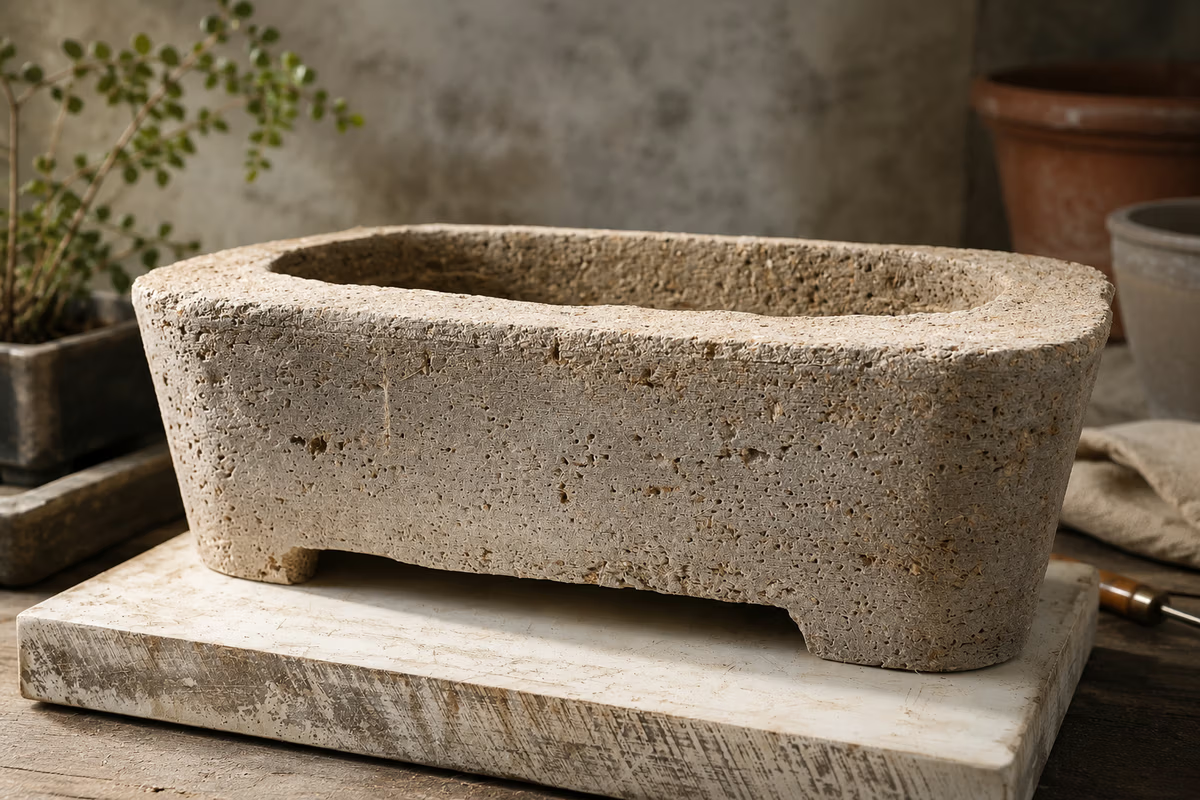
Hypertufa was developed as a lightweight alternative to stone for garden containers.
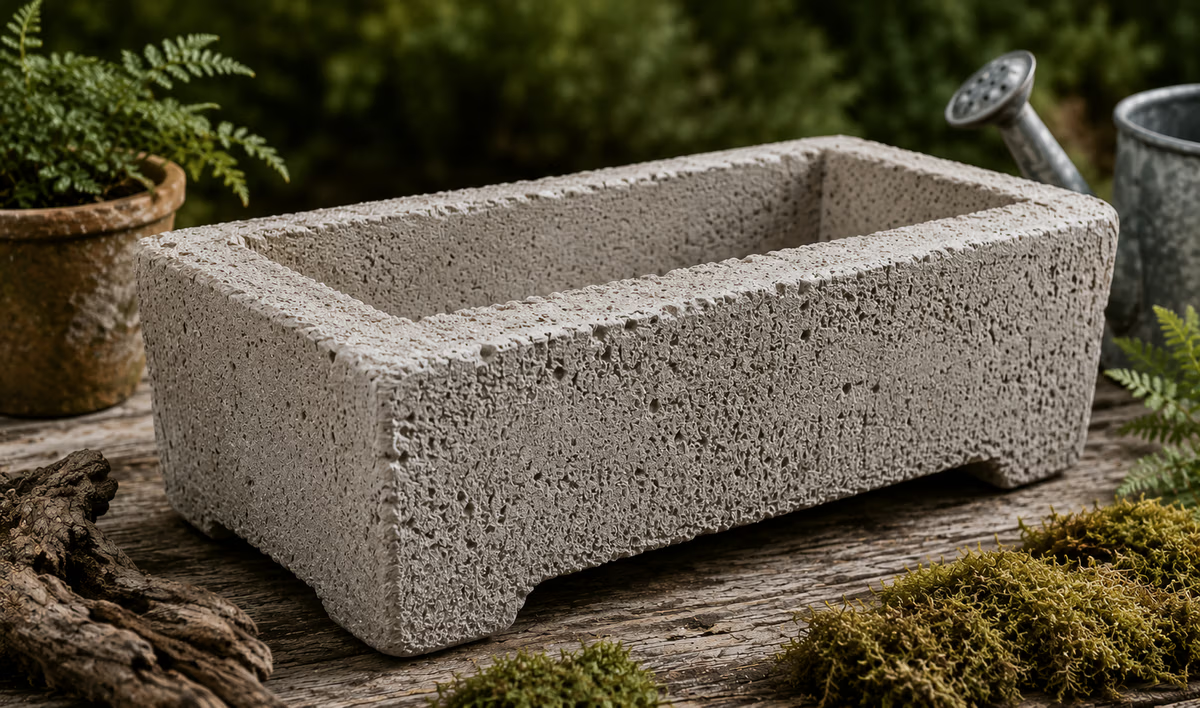
Instead of sand and gravel, hypertufa uses organic and porous materials that create air pockets and texture.
Typical hypertufa mix includes:
Cement
Peat moss or coconut coir
Perlite or vermiculite
Water
The result is a material that is:
Much lighter than concrete
Naturally porous
Ideal for plants
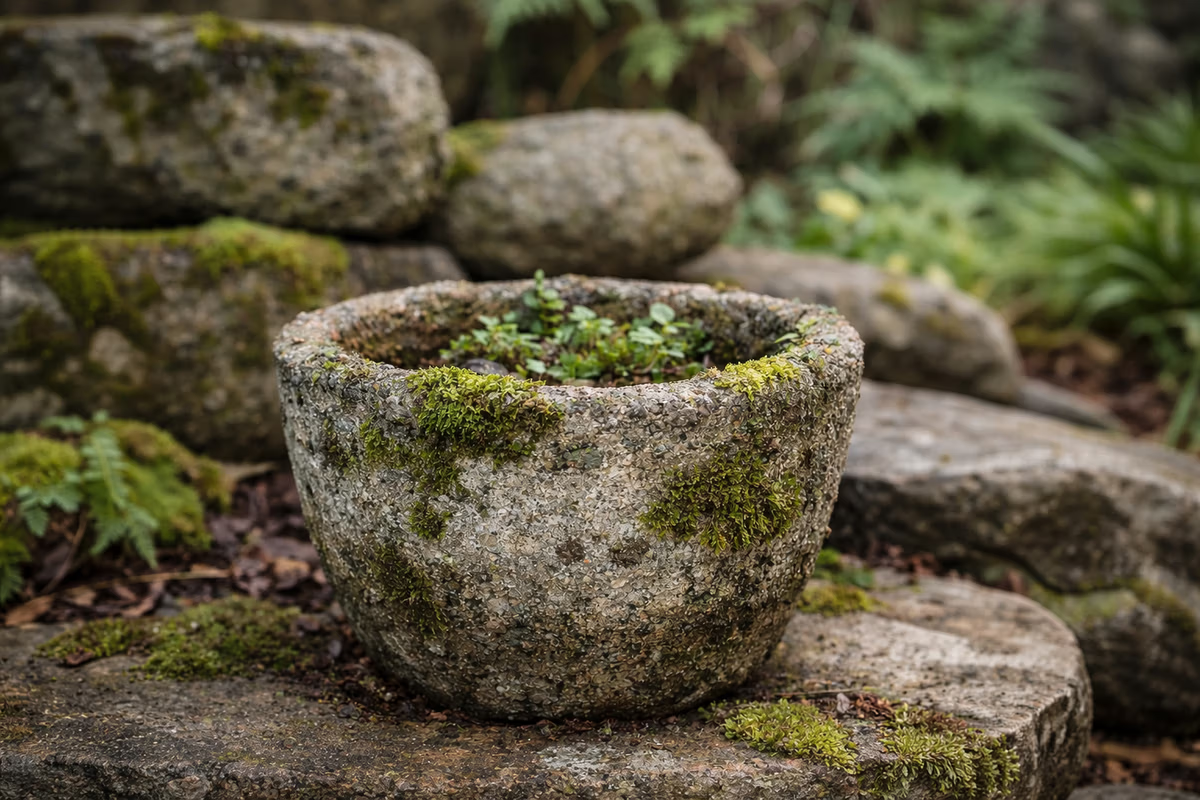
Hypertufa is meant to age, weather, and blend into nature.
Key Differences Between Hypertufa and Concrete
1. Weight
Concrete is heavy and solid.
Hypertufa is lightweight and easier to move, even in larger planters.
2. Texture
Concrete has a smooth, dense surface.
Hypertufa has a stone-like, organic texture that can be shaped and carved by hand.
3. Porosity
Concrete holds moisture and drains poorly.
Hypertufa breathes, allowing:
Better drainage
Healthier roots
Less risk of rot
4. Gardening Use
Concrete is not ideal for plants unless heavily modified.
Hypertufa is designed specifically for planters, troughs, and garden features.
Why Hypertufa Is Better for Plants
Plants need:
Air around the roots
Proper drainage
Stable but breathable containers
Hypertufa naturally provides this environment. Over time, moss, lichen, and natural patina can develop, making each piece more beautiful with age.
Concrete, on the other hand, stays hard and sealed unless treated extensively.
Can You Use Concrete Instead of Hypertufa?
You can, but it’s not the same.
Concrete:
Is harder to customize
Is heavier
Doesn’t age the same way
Hypertufa allows:
Hand-carved textures
Softer edges
A more natural, stone-like appearance
For gardeners and artisans, hypertufa offers creative freedom that concrete simply doesn’t.
Final Thoughts
Hypertufa and concrete may start with cement, but they serve very different purposes.
Concrete is about strength and permanence.
Hypertufa is about texture, breathability, and harmony with nature.
If your goal is to create planters that feel alive, age beautifully, and support healthy plants, hypertufa is the clear choice.
If you’d like to save this article for later, you can find it on Pinterest.