Experienced gardeners often need fewer tools than beginners expect. A small trowel, sharp scissors, a hand sprayer, and basic labels are enough for most weekly plant care tasks. Observation — noticing soil moisture, light preferences, and early growth — matters more than owning specialized equipment.
Container choice also plays a direct role in plant health, affecting drainage, moisture retention, and root conditions. Building a tool collection gradually, guided by the specific needs of each plant, is recommended over purchasing large all-in-one kits.
The Few Tools I Always Keep Near My Plants
There is a drawer in my workshop that has hardly changed over the years.
It doesn’t contain expensive gadgets or complicated instruments.
Just a few simple tools that have followed me through hundreds of plantings.
A small scoop.
A pair of scissors.
A soft brush.
A spray bottle.
And hands that have learned, little by little, what each plant needs.
People sometimes ask what equipment they should buy before starting a small garden.
My answer is usually the same.
Start with less than you think.
Plants rarely ask for complicated tools
It is easy to believe that healthier plants come from owning more equipment.
My experience has been different.
Most of the time, healthy plants come from observation.
Noticing when the soil dries a little faster.
Seeing the first signs of new growth.
Recognizing that one plant enjoys more light while another prefers a quieter corner.
The right tool simply helps you notice these things more easily.
The tools I reach for most often
The items I use every week are surprisingly ordinary.
A small trowel for adding fresh soil.
Sharp scissors for removing old leaves.
A hand sprayer for delicate plants.
Labels when I am testing new species.
That is about all.
Over the years I have collected other tools, but these are the ones that truly stay on the workbench.
Every garden grows differently
A collection of succulents does not need the same care as orchids.
An alpine planter has different needs than a tropical houseplant.
That is why I never recommend buying the largest plant care kit available.
Build your collection slowly.
Let your plants tell you what you actually need.
Good containers are part of plant care too
People often separate plant care from the container itself.
I have never really seen it that way.
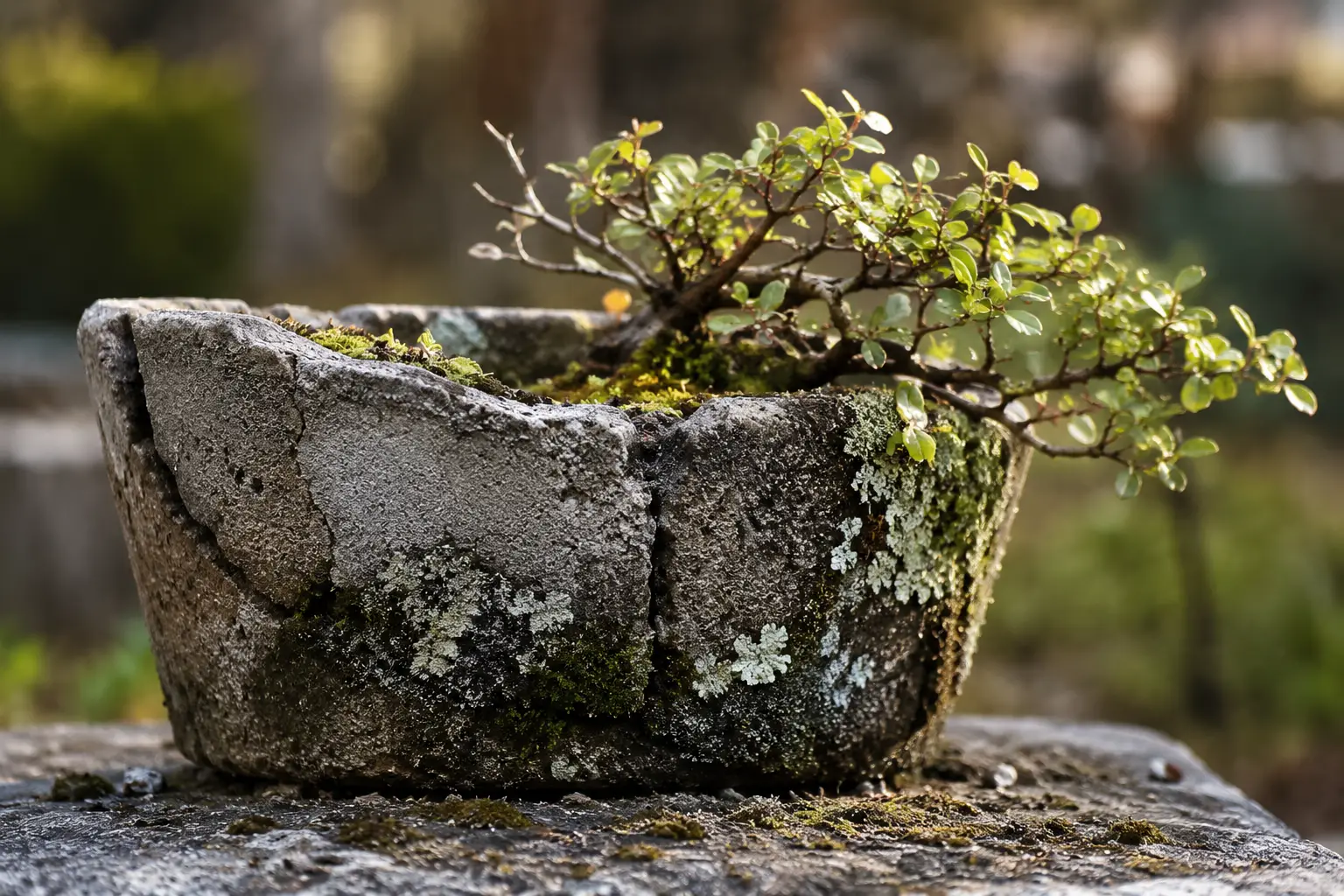
A well-made pot influences drainage, moisture, root health, and even how often you need to water.
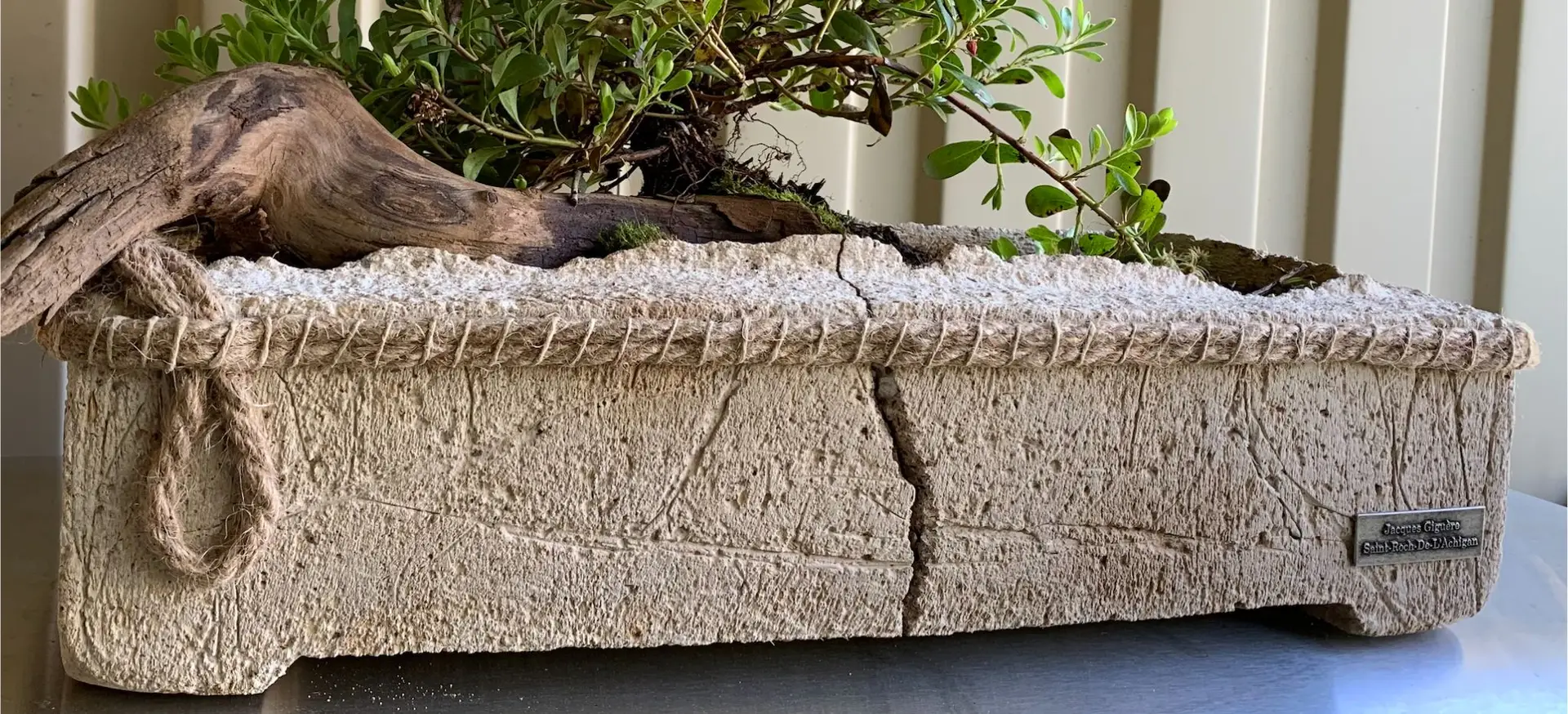
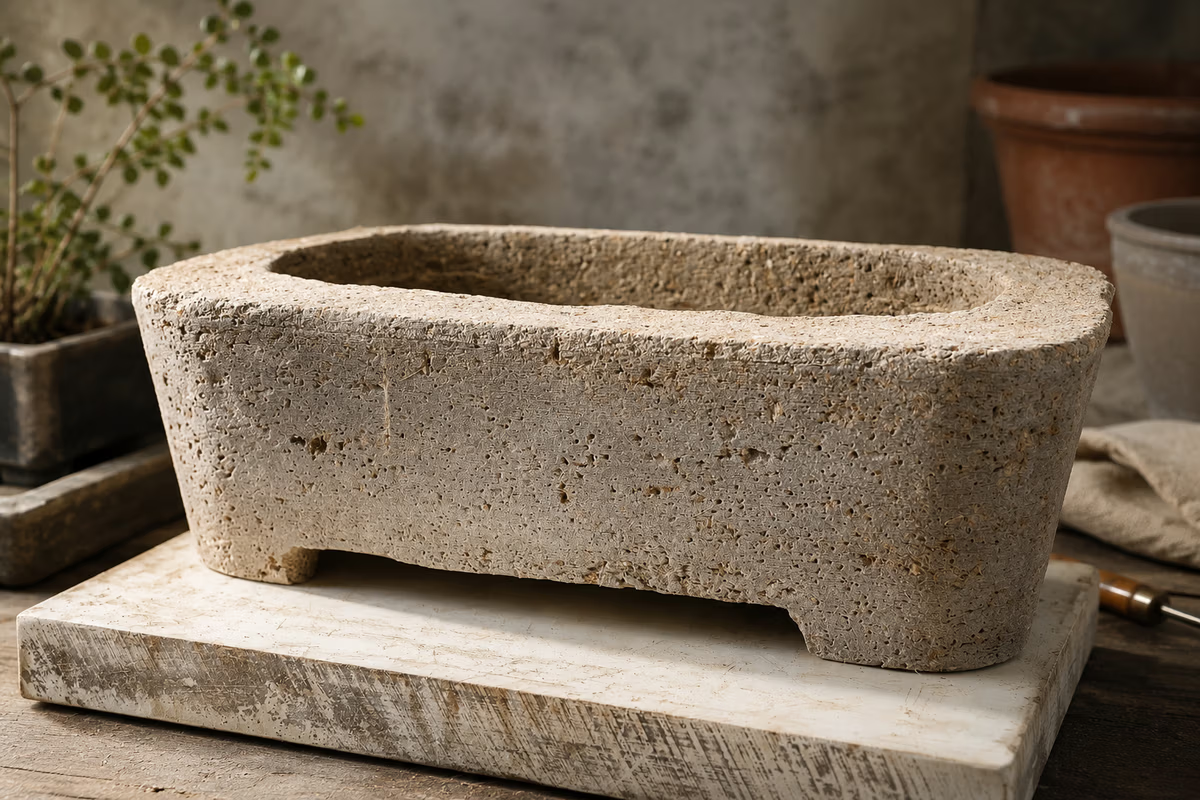
That is one reason I enjoy working with hypertufa.
Its porous surface helps create a more balanced environment for many plants, quietly doing part of the work every day.
A workshop filled with simple things
When visitors come into my workshop, they are sometimes surprised.
There are no rows of sophisticated gardening gadgets.
Just shelves of handmade pots, bags of growing media, a few worn tools, and plants that have slowly taught me patience.
Perhaps that is the best plant care kit of all.
Not a box filled with accessories.
But a handful of trusted tools, a little observation, and enough time to let both the gardener and the plants grow together.