Best plants for Hypertufa pots
Hypertufa pots are not just containers.
They breathe.
They slowly exchange air and moisture with their surroundings.
And that is exactly why some plants feel more at home in them than in any other type of pot.
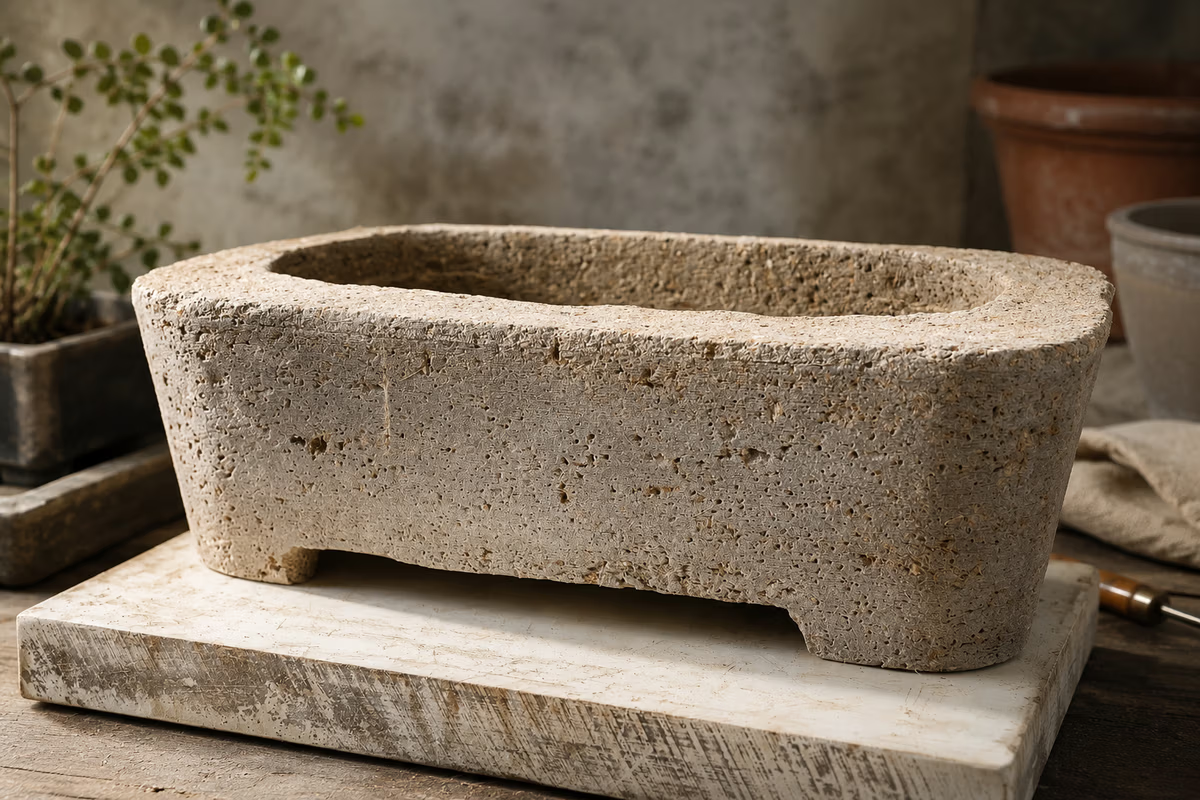
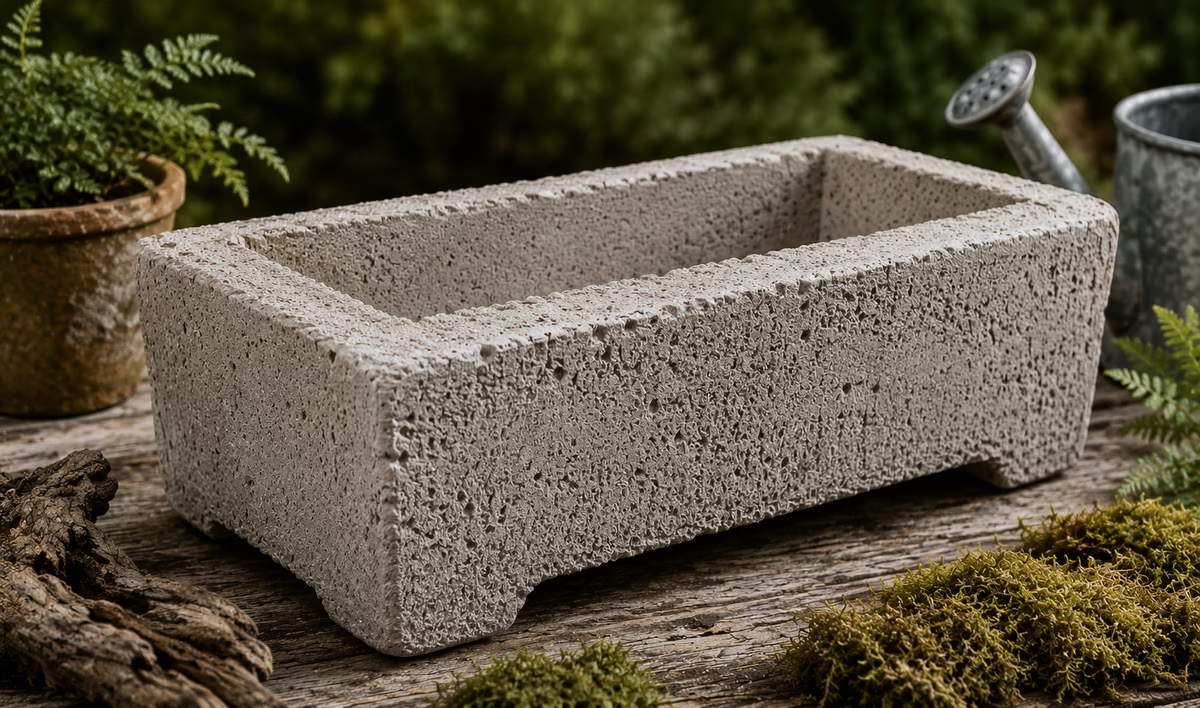
Hypertufa is a porous material, made from a light mix of cement and natural aggregates.
If you’re new to it, start here: What Is Hypertufa? A Simple Guide for Gardeners.
It explains why hypertufa behaves more like stone than plastic or glazed ceramic.
Plants that love hypertufa
The happiest plants in hypertufa pots are those that, in nature, grow in rocky, well-drained soils.
1) Succulents
Succulents are at the top of the list.
Aloe, echeveria, haworthia, crassula, sedum…
They prefer their roots to dry slightly between waterings, and hypertufa helps them do that.
If you want your pots to stay strong while still lightweight, the mix matters.
This post helps: Hypertufa Recipe for Strong, Lightweight Pots.
And if you want a clean, repeatable process, use: How to Mix Hypertufa: Step-by-Step Basics.
2) Cacti
Cacti thrive for the same reason.
Their roots dislike standing moisture, and hypertufa naturally reduces that risk.
One detail makes a big difference: drainage.
If you haven’t done it yet, link this here: How to Make Drainage Holes in Hypertufa Pots.
3) Alpine + rock garden plants
Alpine and rock-garden plants feel at home in hypertufa.
In the wild, they grow between stones, not in heavy soil.
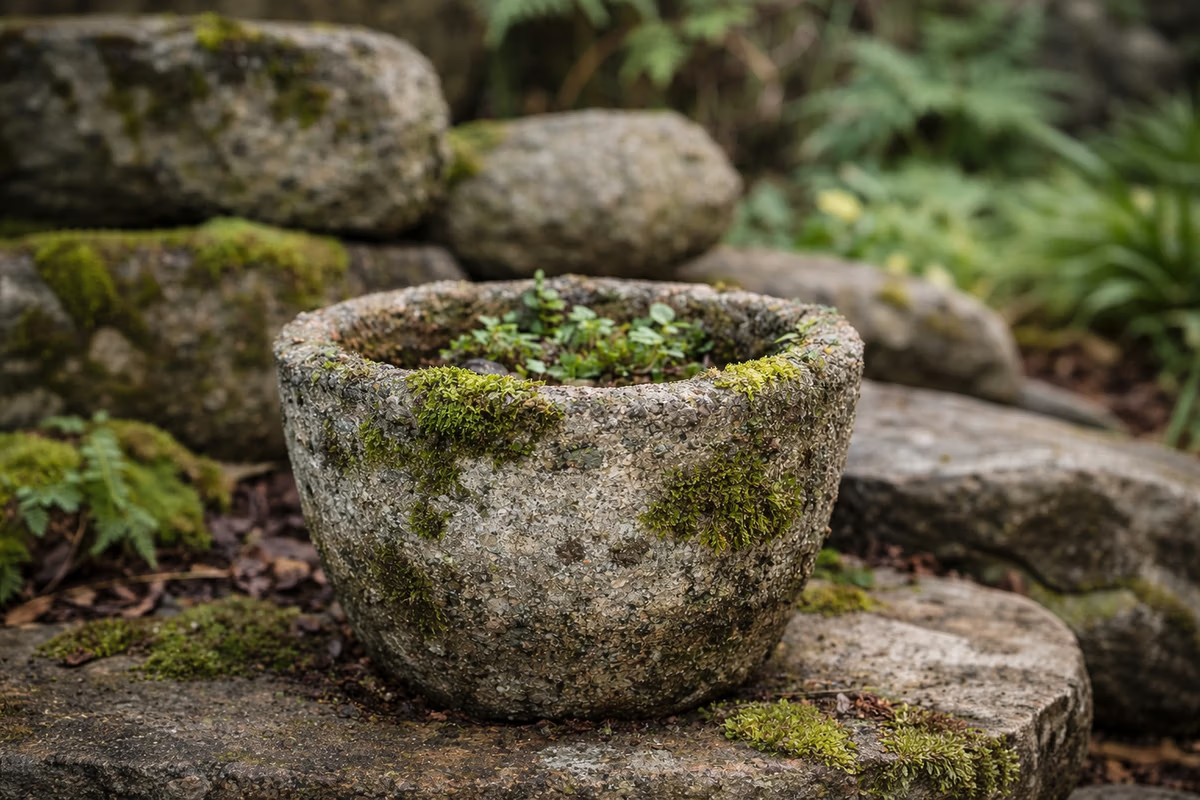
Hypertufa recreates that stony, breathing environment.
If you want the surface to look more natural and less “manufactured,” this article pairs perfectly:
How to Create Texture on Hypertufa by Hand.
Why roots feel better in hypertufa
Most pots are sealed containers.
Water goes in… but air has trouble getting back.
Hypertufa is different.
Its micro-porous structure allows oxygen to reach the roots more easily after watering.
This reduces stress and helps prevent root rot.
(We’ll go deeper into this in a dedicated post soon.)
Using hypertufa outdoors
Hypertufa pots work beautifully outside — as long as they’ve been properly cured and rinsed.
If you’re not sure your pot is ready for planting, these two posts go together:
A stable pot is safer for roots, and it holds up better through the seasons.
A good plant in the right pot creates a natural balance.
The plant grows.
The roots explore.
The pot breathes.
That’s when a garden becomes calm… and alive.
If you’d like to save this article for later, you can find it on Pinterest.